

How design teams fix inconsistent UI layouts — a practical, proven approach
Inconsistent UI layouts waste time, create bugs, and erode user trust. For teams building product pages — including those that publish a Casino overview rating or compare services — inconsistency can directly reduce conversion and damage credibility. This article explains a practical, repeatable fix design teams can implement today to streamline workflows, boost consistency, and ship faster.
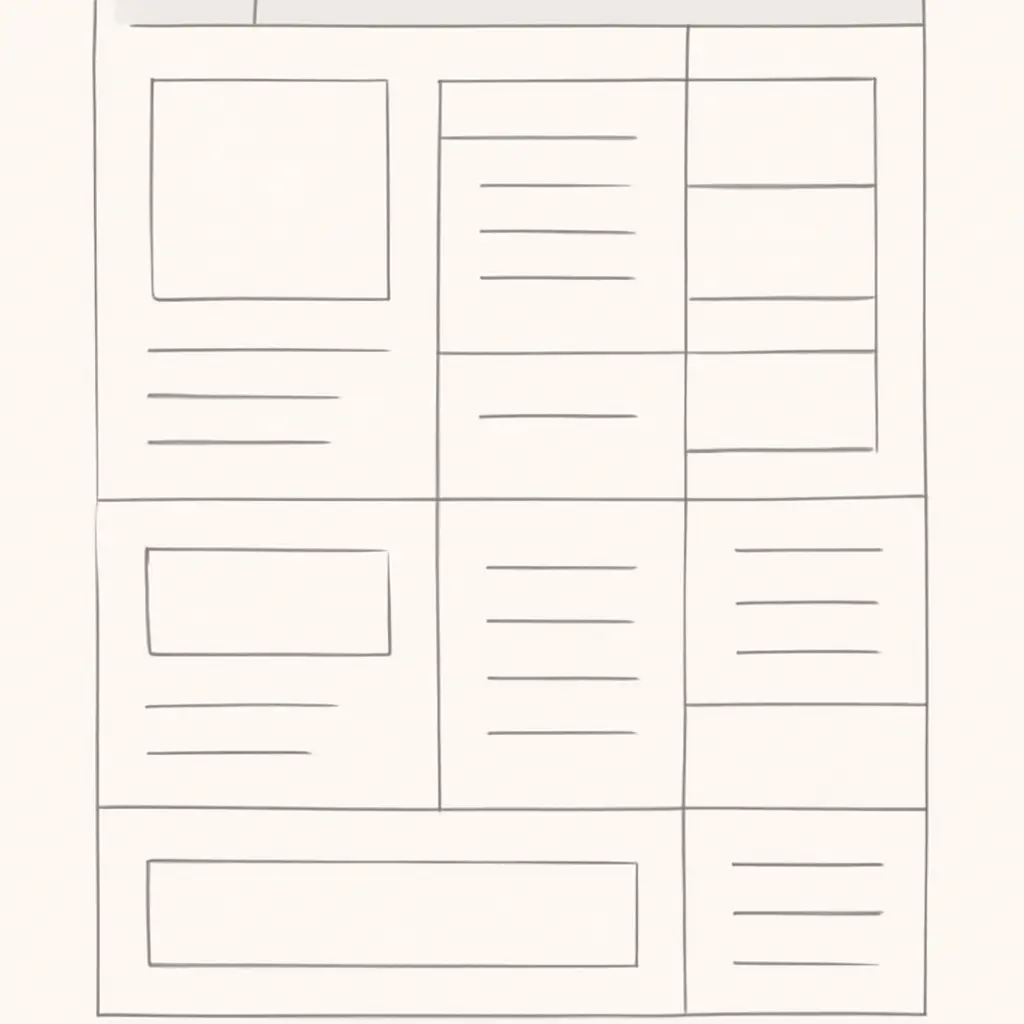
The first step is recognizing the root causes: teams often lack a shared design system, work in silos, and rely on one-off fixes. When a product page lists a Casino overview rating, for example, inconsistent spacing or misaligned badges make ratings feel unreliable. Fixing layout inconsistency improves perceived quality immediately — users trust pages with consistent visuals and predictable patterns.
Start with quick wins: adopt a set of visual rules and document them. If you want immediate practical guidance, check a concise primer on Responsive techniques that teams can use to stabilize layouts across devices. These fixes reduce rework and make metrics like the Casino overview rating display consistently across breakpoints.
Why inconsistent layouts matter for product trust
Design inconsistency creates friction: users hesitate, support tickets rise, and business teams lose confidence. Pages that include a Casino overview rating or any endorsement element are highly sensitive to small layout changes — a misaligned rating badge can lower perceived authority. In short, visual consistency equals perceived reliability.
When you audit inconsistency, look for patterns, not isolated incidents. Ask: are problems coming from component variants, spacing tokens, or missing breakpoints? Track how often a layout error appears on pages that display a Casino overview rating and prioritize the highest-impact fixes first.
| Metric | Before (inconsistent) | After (consistent) |
|---|---|---|
| Visual alignment errors | ~12% of pages | ~1–2% |
| Design QA rework | Average 3 hours/week | 30–50% less |
| User trust signals (e.g., Casino overview rating clarity) | Low | Improved |
Use simple dashboards to monitor the table metrics above. Track how often a page shows a malformed Casino overview rating or mispositioned rating tooltip — these are high-value indicators that consistency work is paying off.
Core elements of the proven fix
The fix is straightforward and repeatable: create structure, make patterns reusable, and enforce them. Core elements include:
- Shared tokens for spacing, color, and type that reduce decisions.
- Component variants for ratings, badges, and promotional elements used on pages that show a Casino overview rating.
- Clear responsive rules that prevent layout collapse on small screens.
- Automated checks in QA that catch alignment errors early.
When teams apply these elements consistently, pages that publish a Casino overview rating or similar trust marks immediately look more authoritative and behave predictably across devices.
Step-by-step implementation for design teams
Follow this prioritized sequence to get traction quickly. A proven route is to standardize components first, then enforce rules in the handoff and QA stages. Consider modularizing around a core rating component (used for the Casino overview rating) and building variants for different contexts.
Adopt a modular approach similar to industry best practices — start with an inventory and then build reusable parts. For deeper guidance on organizing reusable UI, see the short guide to Modular systems.
- Inventory & baseline: Audit pages and catalog every rating, badge, and variant, including where the Casino overview rating appears.
- Tokenize: Create spacing and color tokens; align them with your grid system.
- Componentize: Build a rating component with clear props for size, alignment, and accessibility.
- Document: Write short usage rules and examples for product and engineering handoff.
- Automate: Add visual regression tests and simple CSS checks to CI to prevent regressions.
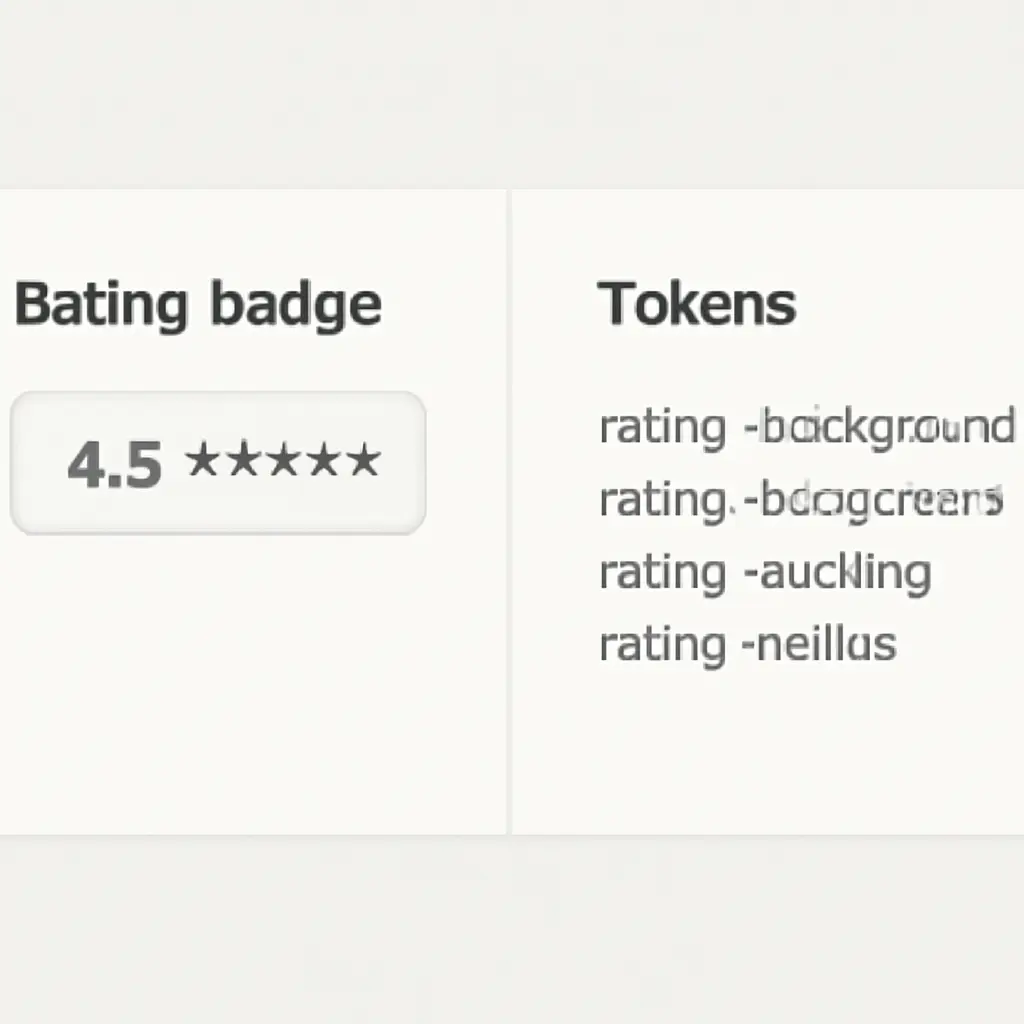
These steps reduce ad-hoc fixes, lower design debt, and make elements like a Casino overview rating reliable and repeatable. Automation is especially effective: light visual tests catch alignment issues before they reach staging.
Measuring success and scaling the change
Measure both process and output. Key process metrics include reduced time in design QA and fewer layout-related pull request comments. Output metrics should focus on user-facing signals: visual clarity, click-through improvement around trust elements, and how often a Casino overview rating displays without layout errors.
- Process metric: Design QA time per sprint (target: -30%).
- Output metric: Percentage of pages with correctly rendered Casino overview rating (target: 95%+).
- Business metric: Conversion lift on pages that show the rating (track A/B test results).
Set short feedback loops: deploy a small change to component tokens, run visual checks, and measure the impact on pages that include a Casino overview rating. Use findings to refine documentation and training — small refinements scale fast.
Common pitfalls and how to avoid them
Teams trying to fix layout inconsistency typically stumble on governance, scope creep, and lack of enforcement. Avoid these mistakes by keeping the scope narrow at first — prioritize high-value pages where a Casino overview rating or trust mark appears — and by automating checks instead of relying on manual policing.
- Too broad: Don't rebuild everything at once; focus on core components.
- No automation: Manual checks are slow and miss regressions.
- Poor documentation: Developers need clear, short rules not long essays.
Address governance with a small cross-functional squad: a designer, an engineer, and a product owner. They can triage layout issues on pages showing a Casino overview rating and make decisions quickly.
Final takeaway: Consistency is a team problem and a measurable opportunity. By inventorying variations, tokenizing design choices, componentizing trust elements like a Casino overview rating, and adding light automation, design teams can cut rework, raise perceived quality, and ship faster.
If you want a fast checklist to get started: audit your rating displays, create a focused rating component, add tokens, and put a visual test in CI. Implementing this proven fix will help your product pages feel reliable and make metrics tied to trust marks like the Casino overview rating more meaningful.



To leave a comment, please sign up or log in
Log in / Sign up