

Design Secrets for UI Teams: Layout Strategies Experts Rarely Share
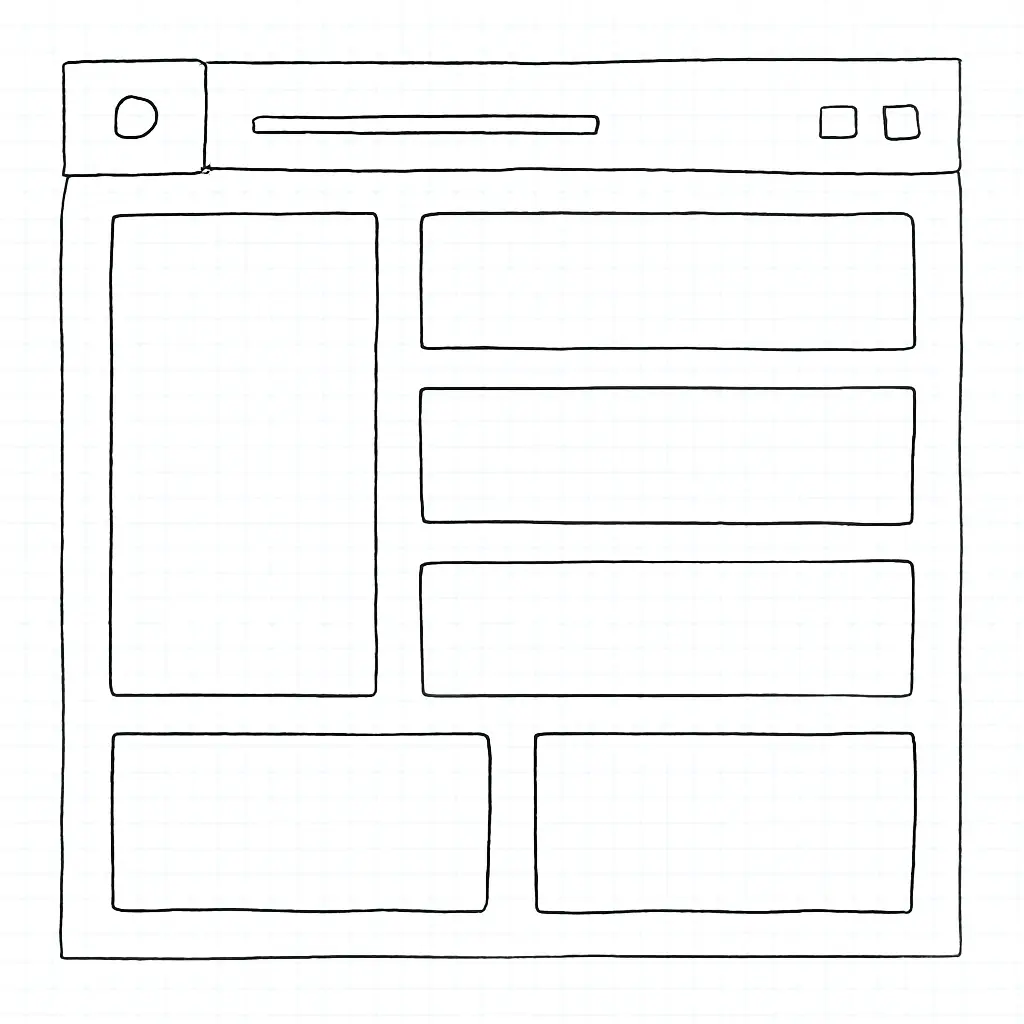
In this guide from BridgeWork Blog, you’ll get the practical layout techniques that experienced UX designers tend to keep to themselves. These are not abstract rules — they’re actionable patterns that help UI teams move faster, raise usability, and deliver consistent interfaces. Throughout this article you'll see how a smart focus on layout can even improve products like a Casino overview rating dashboard, where clarity and trust are everything.
Why layout secrets matter
Layout is the invisible infrastructure of every interface. When it’s done well, users don’t notice it; they just have an easier path to their goals. When it’s done poorly, even strong features fail. A solid layout strategy delivers predictable navigation, efficient scanning, and a clear visual hierarchy that boosts conversion — for example, making a complex Casino overview rating summary readable at a glance.
Core principles experts use
Top designers focus on a few repeatable principles. Apply these to any UI system, whether you’re building a mobile app or a web-based Casino overview rating panel:
- Modular grids — create reusable blocks that scale.
- Consistent spacing — use a spacing scale (4, 8, 16, 24) to avoid micro-adjustments.
- Content-first layout — design around real data, such as average rating numbers in a casino overview, not placeholder lorem ipsum.
- Visual weight — prioritize elements by size and contrast rather than decorative styling.
Common layout patterns and when to use them
Experts tend to select from a small set of battle-tested patterns. Each works well for certain content mixes and user tasks, and these choices are crucial when you build something like a Casino overview rating page.
- Card grid — best for comparable items (games, casinos, offers).
- Split view — use for deep-detail workflows (list on left, detail on right).
- Stacked flow — optimal for mobile-first linear journeys (registration, verification).
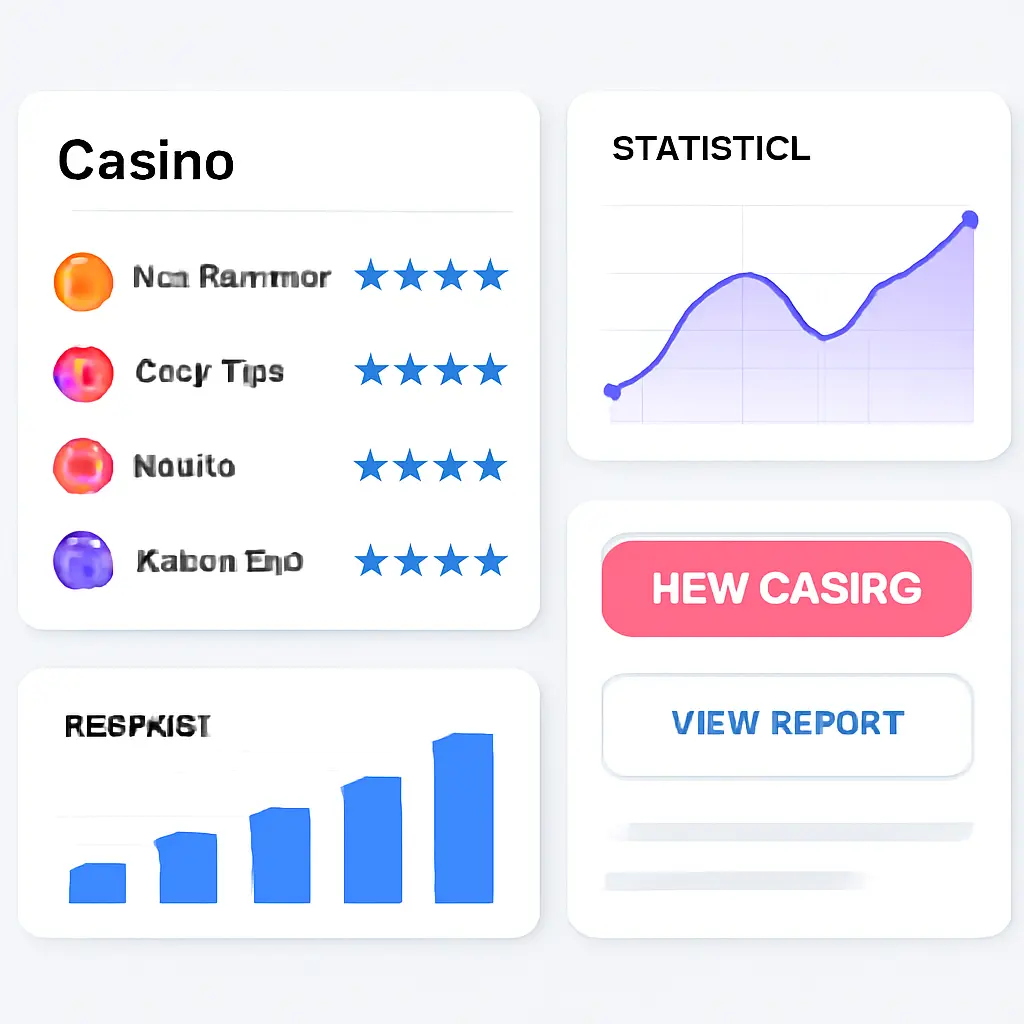
For a Casino overview rating product, combine a card grid for the overview with a split view for deep dives. That minimizes cognitive load and lets teams reuse components across pages.
Spacing, rhythm, and the hidden grid
Many designers underestimate the power of rhythm. A consistent rhythm guides the eye and speeds comprehension. Adopt a baseline grid and spacing scale so UI teams don't improvise margins — and be explicit about how cards, charts, and rating badges align. For a casino overview, align rating badges across cards so users can compare scores without extra effort.
Design tokens, constraints, and performance
Experts encapsulate values as design tokens (colors, spacing, typography). Tokens reduce debates and speed implementation. Define tokens for rating-related states — for example, colors for low, medium, and high Casino overview rating values — and ensure front-end code reads them directly.
Practical workflow fixes to speed UI teams
Here are workflow shortcuts that experienced teams use when building rating systems or other dense data views:
- Component-first mockups — build a library of tested pieces like rating chips and small tables.
- Data-driven prototypes — prototype with real casino rating data to catch edge cases early.
- Cross-functional reviews — run short sessions with designers, devs, and product managers to reduce rework.
Case study: Simplifying a Casino overview rating dashboard
Imagine a product team tasked with summarizing dozens of casinos and their metrics. The secret is to reduce complexity to a few readable signals: score, trust, and offer highlights. Use a compact card layout with a clear visual hierarchy so users immediately see the top-rated properties.
Start by listing everything you need to show, then cut to the essentials. A simple test: if users can answer the question "Which casino has the highest current rating?" within 3 seconds, your layout is working. This kind of rapid readability is what makes a Casino overview rating product valuable to users and stakeholders.
Quick checklist for a launch-ready layout
Use this ordered checklist to prepare a layout that scales:
- Define the primary metric (e.g., overview rating).
- Create tokenized spacing and typography scales.
- Build key components (cards, badges, filters).
- Prototype with real data and run quick usability tests.
- Measure and iterate on the most-used flows.
Table: Layout trade-offs for rating dashboards
The table below helps teams choose a pattern based on goals. It includes common metrics relevant to a Casino overview rating interface.
| Pattern | Best for | Clarity | Speed to scan | Notes |
|---|---|---|---|---|
| Card grid | Comparisons across many casinos | High | Very fast | Great for showing Casino overview rating badges |
| Split view | Detailed inspection | Very high | Moderate | Use when deep details accompany the rating |
| Stacked flow | Mobile summaries | Moderate | Fast | Prioritize essential rating info above the fold |
Accessibility and testing: the secrets nobody mentions
Experts test rating displays against real scenarios: color blindness, small screens, and slow connections. A Casino overview rating should be perceivable and operable for everyone. Use contrast-aware colors for rating badges and provide text alternatives for graphical charts. Always test with keyboard-only navigation to ensure filters and sort controls are reachable.
Collaboration tips for designers and developers
Stop debating pixels; start shipping consistent components. Create small, iterative handoffs: a prototype, a snapshot of tokens, and a working component. If your team is wrestling with minimalist choices, reference focused content like Minimalist design to learn when simplicity helps and when it harms usability. This saves hours of rework and keeps a Casino overview rating interface clear and trustworthy.
Small details that have outsized impact
Some seemingly minor decisions change the whole experience: the placement of the rating badge, the order of filters, or whether a tooltip shows the rating source. Make these choices deliberate and document them in your component specs. When a badge reads 4.7/5, users should know what that number means and where it came from.
Final takeaways: what to keep in your playbook
To finish strong, remember these concentrated lessons: keep layout systems modular, make spacing predictable, prototype with real Casino overview rating data, and codify decisions as tokens and components. That combination gives UI teams speed plus reliability, turning design effort into measurable outcomes.
Conclusion
Layout is a multiplier: a small improvement in structure can yield large gains in usability and product trust. Apply the principles above to accelerate your UI team, reduce rework, and present complex data like a Casino overview rating clearly. With a few shared secrets and disciplined execution, your next release will feel both faster and smarter.



To leave a comment, please sign up or log in
Log in / Sign up