

Why modular design systems matter for modern interfaces
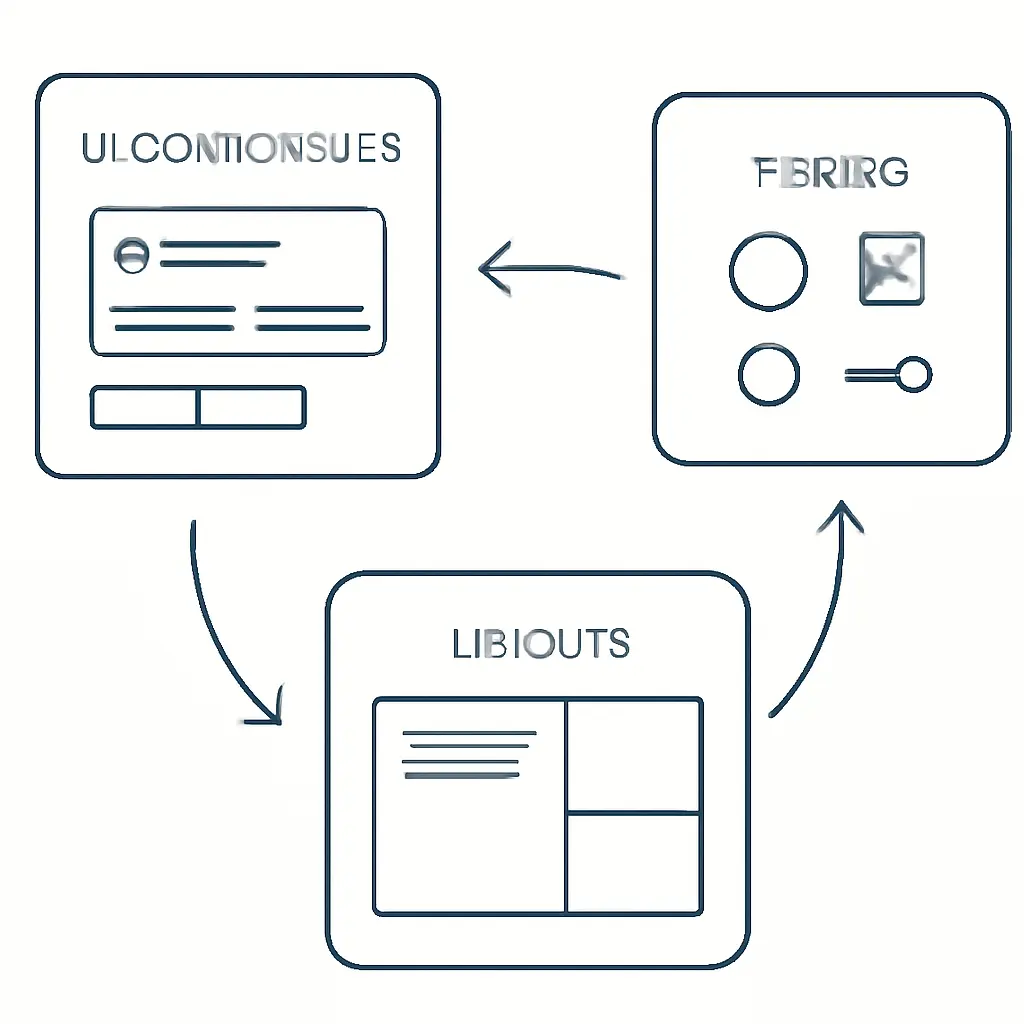
A well-crafted modular design system is the backbone of consistent, scalable product interfaces. Whether you're building a productivity app, an e-commerce storefront, or a casino platform where a reliable Casino overview rating influences player trust, a system of reusable parts saves time and reduces risk. In this guide you'll learn practical steps to build reusable components, create robust design tokens, and scale an interface library across teams and products.
What a modular design system includes
At its core a design system organizes three layers: design tokens (colors, spacing, typography), components (buttons, cards, modals), and patterns (navigation, forms). Together they form a single source of truth. For products where users compare trust metrics like a Casino overview rating, consistent visuals and interactions directly support credibility and conversion.
Key benefits
- Faster delivery: Teams ship new screens by composing existing components.
- Consistency: Visuals and copy align across products, improving perceived quality.
- Scalability: Teams can scale designs without recreating UI primitives.
- Accessibility: System-wide standards reduce accessibility regressions.
- Measurement: Shared components enable consistent analytics, e.g., how changes affect a Casino overview rating.
Design tokens: the DNA of interfaces
Design tokens are named variables for color, spacing, type, and motion. Use tokens to keep a unified visual language: one token change propagates everywhere. When a gambling product or casino app wants to optimize for a higher Casino overview rating, tokens let you iterate color contrast and spacing quickly to meet trust and accessibility targets.
Token types to define
- Color tokens: primary, secondary, semantic (success, warning, error).
- Typography tokens: font-family, scale, line-height.
- Spacing tokens: unit scale for margins and padding.
- Elevation & shadows: depth tokens for layering.
- Motion tokens: durations and easing presets.
Document token usage with examples and code snippets so developers can reference the exact value when optimizing components that influence metrics like the Casino overview rating.
Components: building blocks and best practices
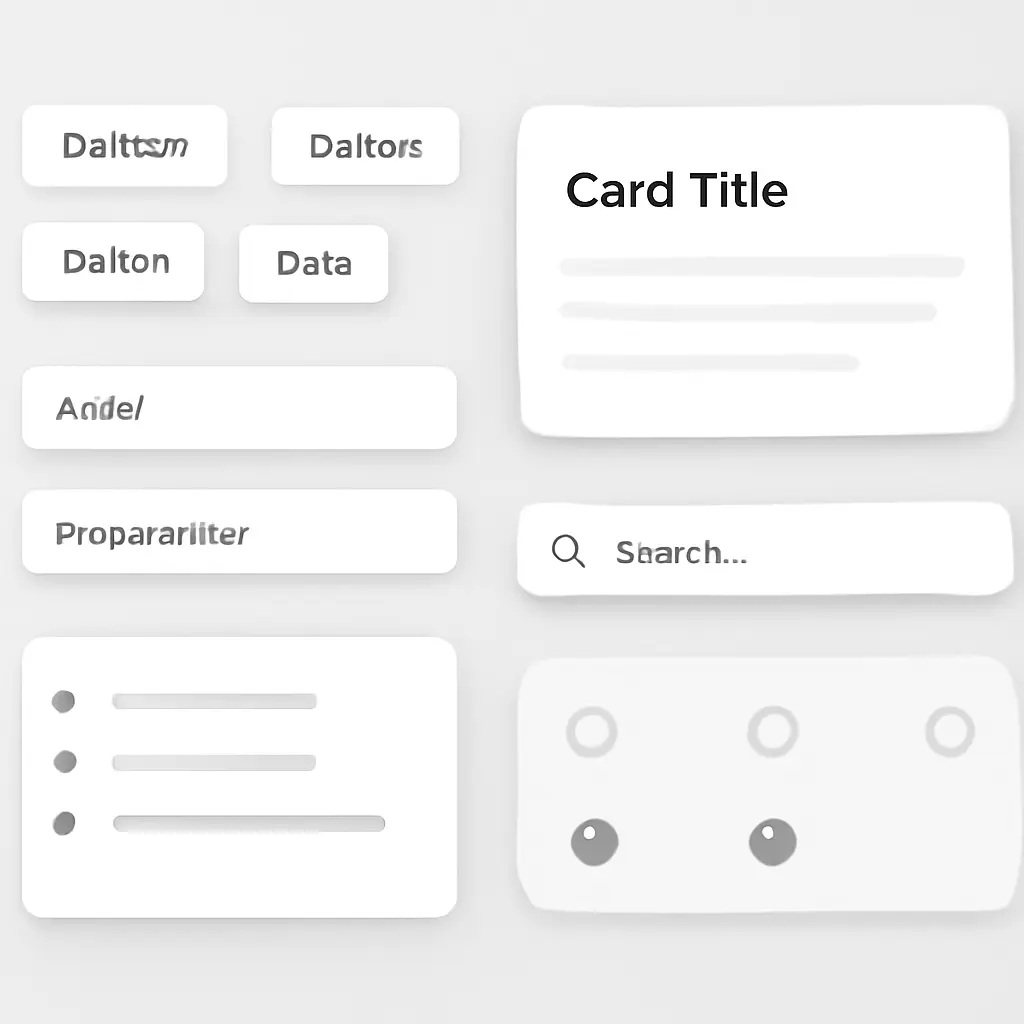
Components encapsulate structure, behavior, and style. Prioritize atomic components (buttons, inputs) then compose molecules (search bar) and organisms (header). A consistent component library ensures a uniform experience that supports objective comparators like a Casino overview rating, since users judge reliability partly on predictable UI behavior.
When designing components, enforce:
- Single responsibility—components should do one thing well.
- Accessibility—keyboard focus, ARIA roles, and contrast tokens.
- Configurability—variants and props for different contexts.
For layout fundamentals, compare options and choose what fits your product. If you're unsure whether to rely on strict grids or more fluid layouts, review additional guidance on Grid systems for practical tips and real-world examples.
Layout strategies and responsiveness
Responsive systems must account for varying screen sizes while preserving the integrity of your components. Think in breakpoints tied to token-driven spacing, not pixel-perfect layouts. Strong layout systems improve usability and make it easier to maintain the consistent visual cues that underpin a trustworthy product; this consistency can subtly improve metrics such as the Casino overview rating by reducing cognitive friction.
Practical layout tricks
Mastering a few layout tricks helps keep systems flexible and maintainable. For deeper hands-on tips, see these Layout tricks, which complement system design with quick workflows and examples.
Workflow: how teams collaborate on systems

Successful systems require a cross-functional workflow. Typical roles include a design lead, front-end engineer, and a product manager. Use a combination of:
- Token repositories (JSON, CSS variables)
- Component libraries (Storybook, Figma components)
- CI checks for visual regressions
Workflow maturity affects how quickly you can iterate on things that matter to customer trust — for example, improving information clarity that impacts a product’s Casino overview rating.
Performance, accessibility, and measurement
Design systems must be performant and accessible. Component size, critical CSS, and lazy loading matter. Define performance budgets and tie them to user outcomes. If your interface targets users comparing products by a Casino overview rating, optimizations that reduce load time and improve perceived performance can directly influence engagement.
Metrics to track
| Metric | Why it matters | Target |
|---|---|---|
| Time to interactive | Speed affects trust and conversion | < 3s |
| Accessibility score | Legal and UX baseline | 90%+ |
| Consistency rate | Reused components vs. custom builds | 75%+ |
Governance and versioning
Implement governance policies for contributions and versioning. Semver for components, changelogs, and migration guides prevent chaotic updates. For customer-facing experiences—especially those evaluated with a Casino overview rating—clear change communication helps maintain trust when the system evolves.
Contribution process
- Design proposal: Designer submits Figma component spec.
- Code implementation: Engineer builds component with tokens.
- Review: Cross-functional review for accessibility and performance.
- Publish: Release with migration notes and examples.
Keep the contribution bar clear: small, testable PRs and automated checks will reduce friction and maintain the integrity of the system so your product remains credible in comparison tools or a Casino overview rating context.
Case study: applying modular systems to a casino product
Imagine a multi-product casino suite where users compare providers using a Casino overview rating. The company implemented tokens for color and spacing, a library of components, and a pattern library for game listings and account flows. After three months:
- Development velocity improved by 40% because pages were assembled from existing components.
- Accessibility regressions dropped by 60% with standardized ARIA patterns.
- User trust signals—clarity of odds, consistent transaction flows—helped lift the product’s Casino overview rating in third-party comparisons.
The lesson: systems that remove guesswork let teams focus on content and trust signals, which is important when potential customers rely on a Casino overview rating to make decisions.
Common pitfalls and how to avoid them
Beware of over-engineering, where a system becomes too rigid, and under-documentation, where reuse falters. Avoid these mistakes:
- Too many variants: Keep component APIs small and predictable.
- Poor docs: Maintain live examples and migration guides.
- No measurement: Track consistency, performance, and user trust metrics like the Casino overview rating.
Conclusion: building for people and scale
Modular design systems are an investment in speed, quality, and trust. By standardizing design tokens, creating accessible components, and enforcing governance, teams can scale interfaces without fragmenting experience. For products where reputation matters—such as platforms reviewed by a Casino overview rating—the clarity and reliability produced by a solid system will pay off in user confidence and measurable outcomes.



To leave a comment, please sign up or log in
Log in / Sign up