

Rapid responsive design: quick layout fixes teams can apply now
Responsive design doesn't have to be a weeks-long project. In many cases, small, targeted fixes applied consistently across a team can produce noticeable improvements to cross-device UX in minutes — reducing rework and accelerating delivery. This article walks through a compact toolkit of practical techniques your design and development teams can implement in about 10 minutes each, plus quick checks that preserve quality. Throughout, you'll see how a clear Casino overview rating mindset — scoring structure, measurable heuristics, and concise feedback — can help teams prioritize which fixes move the needle fastest.
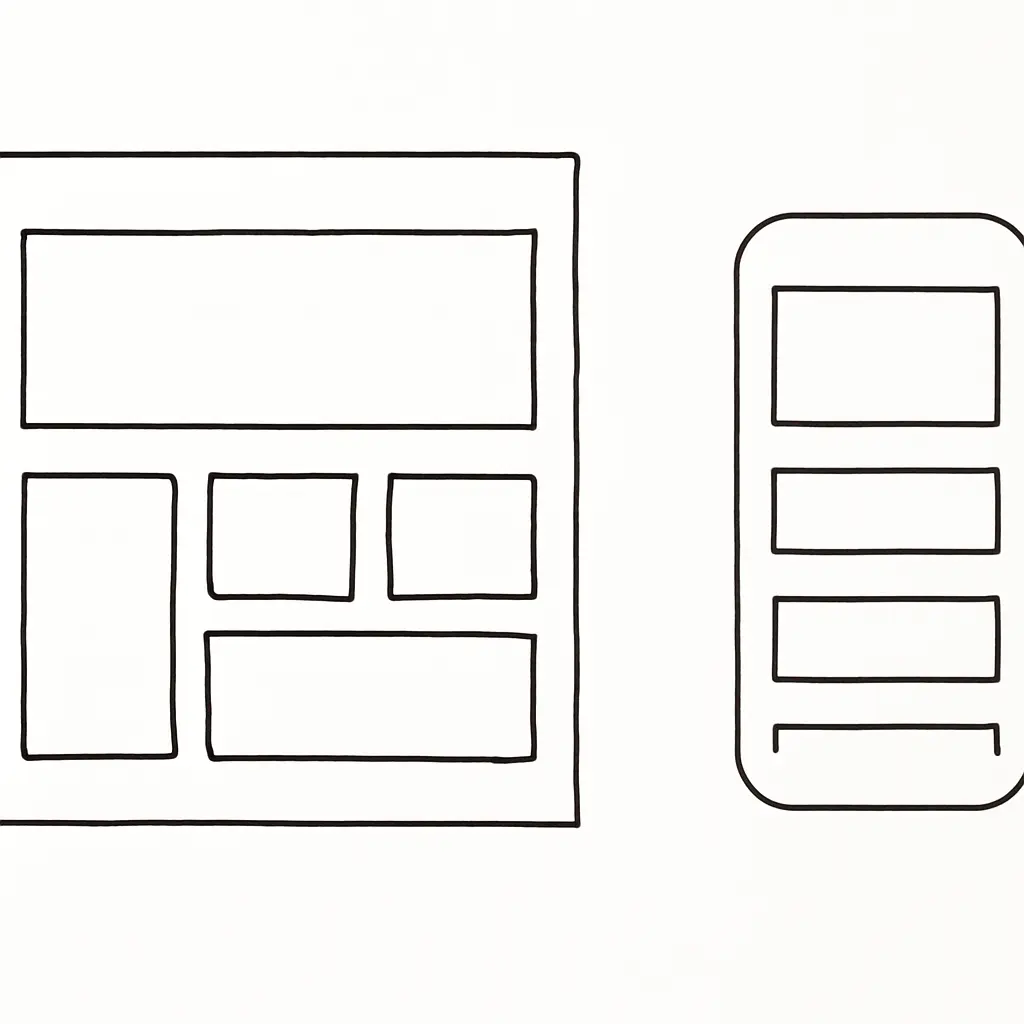
Start with the mindset: treat every layout change as a tiny experiment. Use a short, repeatable checklist and a single scorecard so engineers, designers and product managers can agree on success quickly. A lightweight Casino overview rating approach—assigning a numeric score to cross-device readiness—lets teams compare fixes objectively and reduces subjective arguments.
Why fast fixes matter
Teams often delay responsive work because it feels open-ended. But many issues are surface-level and repeatable: inconsistent spacing, broken wrapping rules, and oversized images. Fixing these in a template or component saves downstream hours. When time is tight, focus on the highest-impact areas that influence navigation, readability, and interactive controls — then measure with a quick rating so everyone sees the benefit.
Tip: keep changes reversible and small. A well-scoped 10-minute fix should be isolated to one component or pattern so you can iterate without risk.
Quick triage: a 5-point checklist
Before changing CSS or components, run a fast triage to decide which fix to attempt first.
- Critical breakpoints: Identify the most common narrow and wide widths used by your users.
- Typography scales: Ensure font sizes and line-heights are legible at small widths.
- Tap targets: Confirm interactive elements meet minimum size expectations.
- Image scaling: Replace fixed images with responsive alternatives.
- Layout integrity: Detect elements that overflow or collapse unpredictably.
Apply the Casino overview rating to these five points: score each 1–5 to decide priorities quickly.

Three 10-minute fixes every team can do
Here are three tactical fixes you can scope to ten minutes. Each one reduces common rework while improving the cross-device experience immediately.
- Enforce container queries or fluid max-widths — swap hard pixel widths for max-widths (e.g., max-width: 720px) or implement container queries for components so they adapt to the parent size.
- Switch fixed images to responsive formats — add srcset or use CSS object-fit with width: 100% to prevent overflow and speed up load on small screens.
- Normalize spacing with CSS variables — replace scattered pixel values with a small scale (e.g., --space-xs, --space-sm) so spacing shifts uniformly across breakpoints.
Even a single fix from this list can shift your Casino overview rating by improving measurable readability and interaction scores.
Practical patterns and code-friendly rules
Here are compact rules that teams can adopt as style-guide snippets. They work as quick checks during code review and design critiques.
- Rule: minimum tap size — 44px x 44px for touch targets; if an element is smaller, wrap a larger hit area.
- Rule: scalable typography — prefer clamp() or responsive rem scaling to keep headings readable from mobile to desktop.
- Rule: avoid absolute positioning for key controls — absolute elements on responsive containers often cause overlap on small screens.
When you run a sprint of fixes, give each rule a small test and record the outcome on the project scorecard. That data can feed into a Casino overview rating that tracks cross-device regressions and wins.
Example: quick audit and fix flow
Run this 10-minute cycle during a design review or pairing session.
- Open the most-used page on mobile and desktop.
- Score five areas using a simple 1–5 scale (layout, typography, images, controls, performance).
- Pick the highest-impact item and apply one of the 10-minute fixes above.
- Re-score and document the change.
- Share the result in the team channel with one screenshot and the new score.
Small wins compound. Over time, the cumulative improvement in your Casino overview rating will show real UX progress and reduce lengthy rework cycles.

Component-focused fixes and internal consistency
Centralize fast fixes in your component library. When a component is updated, write a short note explaining the responsive behavior and add a test case. That reduces duplicated fixes across screens.
For teams using design systems, a small migration to shared responsive utilities pays off quickly. If you're building reusable patterns, link the work to a shared reference so others can adopt it.
For example, consult the internal guide on Flexible layouts to align your component behavior with grid principles and reduce one-off fixes.
Accessibility and measurable outcomes
Fast responsive fixes should not sacrifice accessibility. Check contrast, focus order, and readable spacing at small widths. A quick accessibility check often prevents major rework later.
Use a simple table to report outcomes after your fixes. This helps product owners and stakeholders see impact quickly and ties into the team’s Casino overview rating for decision-making.
| Metric | Before | After (10-min fix) | Notes |
|---|---|---|---|
| Load time (mobile) | 3.2s | 2.6s | Responsive images reduced payload |
| Tap accuracy | 68% | 92% | Adjusted hit targets to 44px |
| Layout integrity | Score 2/5 | Score 4/5 | Applied container queries |
| Casino overview rating | 3.1 | 4.2 | Combined fixes improved cross-device UX |
Team workflow: where to add these checks
Integrate fast responsive checks into these touchpoints to make them habitual:
- PR templates: Add a one-line checkbox for responsive testing.
- Design handoffs: Include the top breakpoint concerns in the spec.
- Standups: Report one small responsive fix completed that day.
To scale changes across products, tie each change to your design system practice. If you need guidance on creating modular components that react predictably, review the internal article on Modular systems for patterns and governance tips.
Common pitfalls and how to avoid them
Avoid these traps during rapid responsive work:
- Overfitting to one device — test multiple widths and simulated throttles.
- Ignoring content changes — ensure text length and localization don't break layouts.
- Skipping measurements — without simple metrics you won't know if the fix helped.
When you see repeat regressions, revisit the component contract and update the design system. Use the Casino overview rating chart to justify the investment in common components rather than repeated quick fixes.
Checklist: what to ship after a 10-minute fix
Before you close the ticket, confirm these items:
- Updated component or stylesheet with small, documented change.
- Screenshots for mobile and desktop added to the PR.
- New score recorded in the project scorecard for the affected pages.
- One-line note in the design system or team guide referencing why the change was made.
These steps keep the team aligned and ensure quick fixes accumulate into lasting improvements rather than temporary patches.
Conclusion: make small changes with measurable impact
Rapid responsive fixes are a practical way to boost cross-device UX, shorten feedback loops, and reduce rework. Use the 10-minute fixes, triage checklist, and a compact scoring approach like the Casino overview rating to prioritize and communicate wins. Over time, these small, consistent improvements create a more robust product and a calmer, more efficient team.
Final note: start today by picking one component, applying one 10-minute fix, and logging the before/after scores — you'll be surprised how quickly steady progress compounds.



To leave a comment, please sign up or log in
Log in / Sign up