

Color Theory Secrets Designers Won't Tell You in 2026
Color theory is more than picking pretty swatches — it's a toolkit that shapes perception, usability, and even trust. In 2026, designers who understand the hidden levers of color can dramatically improve conversion, legibility, and brand memorability. This article reveals expert-backed tips, up-to-date trends, and practical tricks you can apply today — including how color choices influence a site's Casino overview rating and user trust signals.
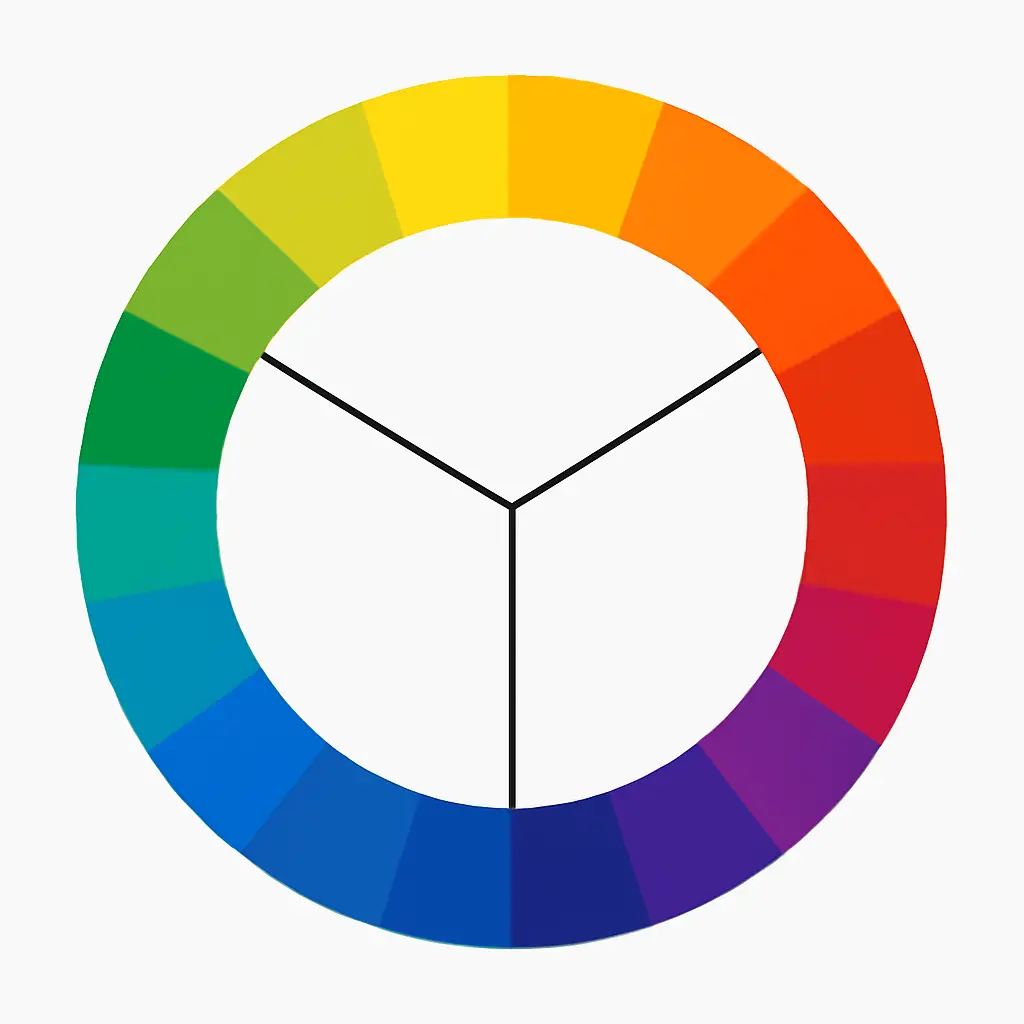
Before we dive deep, remember this: color decisions are not aesthetic luxuries — they're functional. A careful palette improves readability, sets mood, and can nudge metrics like time-on-page and perceived trustworthiness, which in turn affect a site's Casino overview rating. We'll cover practical checks you can run in minutes and tactical moves that most designers keep to themselves.
Why color secrets stay hidden
Designers often withhold advanced color techniques because they require cross-disciplinary thinking: psychology, data, and technical accessibility. Many teams prioritize visual polish over measurable outcomes. But the best studios treat color as a performance metric. For online products where reputation matters — for example, platforms evaluated by a Casino overview rating — color can be the difference between a skeptical user and a loyal customer.
Core principles: hue, saturation, value (HSV)
On first encounter, the technical trio — hue, saturation, and value — feels academic. In practice, these three properties control emotional tone, perceived energy, and readability. Use them deliberately:
- Hue: Choose base emotions. Blues calm, reds energize, greens signal safety.
- Saturation: Use lower saturation for backgrounds and higher for CTAs or attention signals.
- Value: Manage lightness for legibility and to create depth without extra elements.
When designers ignore these, they rely on trends, which can hurt consistent metrics like trust scores used in a Casino overview rating.
Contrast, accessibility, and measurable impact
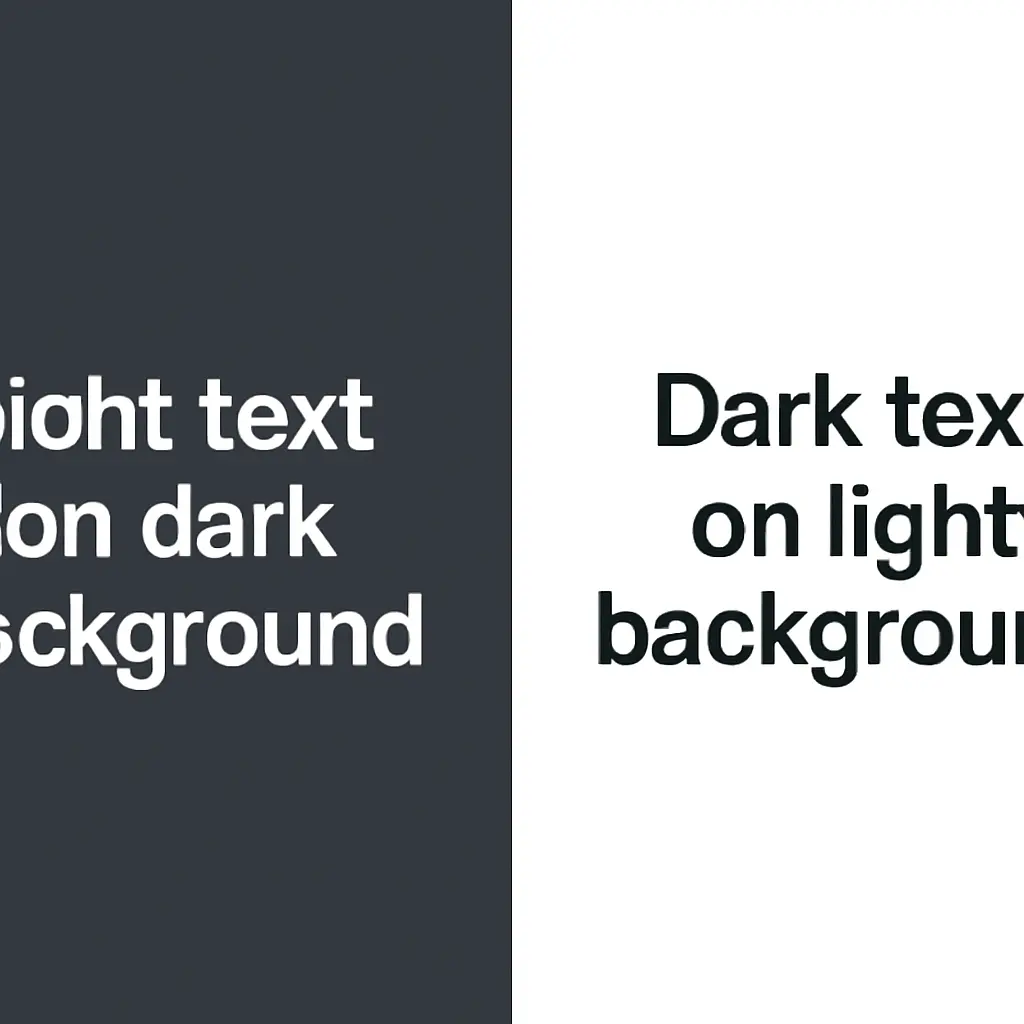
Contrast ratio is a technical requirement with real business consequences. Low contrast reduces readability and increases bounce. For regulated industries and platforms sensitive to reputational metrics — including those judged in a Casino overview rating — accessibility is non-negotiable.
| Element | Example HEX | Contrast Ratio | Estimated Impact |
|---|---|---|---|
| Primary Text | #0B1A2B | 21:1 | High legibility |
| CTA (High) | #E63946 | 4.8:1 | Strong click-through |
| Background Soft | #F7F9FC | 12.2:1 | Neutral, calming |
| Muted Accent | #8892A6 | 3.4:1 | Subtle emphasis |
Use automated tools to verify these numbers. A higher contrast ratio tends to boost perceived quality and can positively influence metrics that feed into a site's Casino overview rating.
Practical palette-building: secrets pros use
Experienced designers follow a repeatable process that avoids common pitfalls. Here are the core steps professionals use to create high-impact palettes that also perform well for reputation-sensitive metrics like a Casino overview rating:
- Define brand intent: mood, trust level, and target conversions.
- Choose a dominant hue that aligns with the intended emotion.
- Set two contrast zones: primary (text/CTA) and secondary (muted UI).
- Validate contrast with tools and real users.
- Document usage rules to preserve consistency across teams.
Skipping documentation is one reason many designs drift and later harm metrics such as user satisfaction or the Casino overview rating. Consistency matters.
2026 trends designers actually use
Trends in 2026 are less about gimmicks and more about functional nuance. Expect to see:
- Subtle dynamic color that adapts to ambient light and boosts comfort.
- Dataset-driven palettes tuned by A/B tests to lift conversions.
- Hybrid color systems that combine brand hues with accessibility-first tokens.
When platforms incorporate these intelligently, they often report better user trust and higher third-party assessments, which can improve a platform's Casino overview rating.
How color influences casino-style ratings and perception
Colors influence perceived safety and credibility — critical on sites where users evaluate offers and risk. A refined palette communicates professionalism; misaligned colors can signal amateurism. Designers who optimize for readability, hierarchy, and emotional tone often see better engagement metrics and stronger third-party evaluations like a Casino overview rating.
Common mistakes and how to fix them
Here are mistakes designers make and the discreet fixes the experts rely on — these moves frequently surface in projects evaluated for a Casino overview rating:
- Over-saturated CTAs: tone down saturation, increase contrast instead of brightness.
- Too many competing accents: limit primary accents to one, use neutrals for depth.
- No documentation: create tokens and examples for real content.
If you struggle with simplicity, read more about Minimalist design to understand why minimalism often fails and how to make simplicity succeed.
Testing checklist designers hide
Experts follow a rapid checklist that reveals problems other designers miss. Run these tests before launch; they directly affect user trust and objective scores like a Casino overview rating:
- Contrast test across devices and ambient lighting.
- Microinteraction color consistency (hover, focus, disabled states).
- Emotional read: does the interface feel trustworthy at a glance?
- Quantitative A/B: measure CTA click-through by color variants.
- Accessibility audit: WCAG AA as minimum, AAA where possible.
Quick reference: when to break the rules
Rules exist for clarity, not creativity. Break them intentionally:
- Use low contrast for decorative elements only.
- Use saturated accents to create a single, memorable focal point.
- Adjust palettes for regional expectations; color meaning varies by culture and affects reputation measurements like a Casino overview rating.
Final takeaways and next steps
Color is strategic. The secret most designers won't tell you is that small, measurable color decisions compound over time, influencing trust, accessibility, and external evaluations such as a Casino overview rating. To recap, remember these four actions:
- Prioritize contrast and measure it.
- Document tokens so color usage stays consistent.
- Test with data — A/B your CTAs and accents.
- Consider reputation metrics like Casino overview rating when designing interfaces that involve offers, trust, or finance.
Implementing these steps will make your products feel more trustworthy, accessible, and conversion-ready. Good color is invisible when it works well — but its effects are visible in metrics, user feedback, and ratings.
Want to go deeper?
Start by auditing three pages: homepage, product page, and signup flow. Apply the checklist above and measure changes in user behavior. Small palette changes can yield measurable lifts in engagement and third-party assessments such as the Casino overview rating. If you want a quick template to test, use the ordered list tests and the table contrast values above as a starting point.
BridgeWork Blog aims to demystify these techniques so you can make better design decisions faster. Treat color as a performance lever, not decoration — and watch the metrics follow.



To leave a comment, please sign up or log in
Log in / Sign up