

Why a Responsive Layout Checklist Matters for Modern Design
In the ever-evolving world of digital design, building layouts that adapt seamlessly across screen sizes is no longer optional — it is the baseline expectation. Whether you are designing an editorial blog about design trends, a complex casino overview rating platform, or a simple portfolio site, your users arrive on phones, tablets, laptops, and ultra-wide monitors. A single missed breakpoint or an untested orientation can tank engagement and credibility overnight.
That is exactly why working from a structured responsive layout checklist saves both time and reputation. Rather than relying on memory or ad hoc QA, a checklist gives your design team a repeatable process that catches issues before they reach production. This article walks through every critical checkpoint — from breakpoint strategy and grid configuration to cross-device testing — so you can ship layouts that hold up everywhere your audience shows up.
Setting Up Your Breakpoint Strategy
Breakpoints are the backbone of any responsive system, yet they remain one of the most commonly misconfigured elements. Too many designers default to device-specific widths — 375 px for an iPhone, 768 px for an iPad — without considering how content actually reflows. A better approach is content-driven breakpoints, where you resize your browser until the layout breaks and set a breakpoint at that exact width.
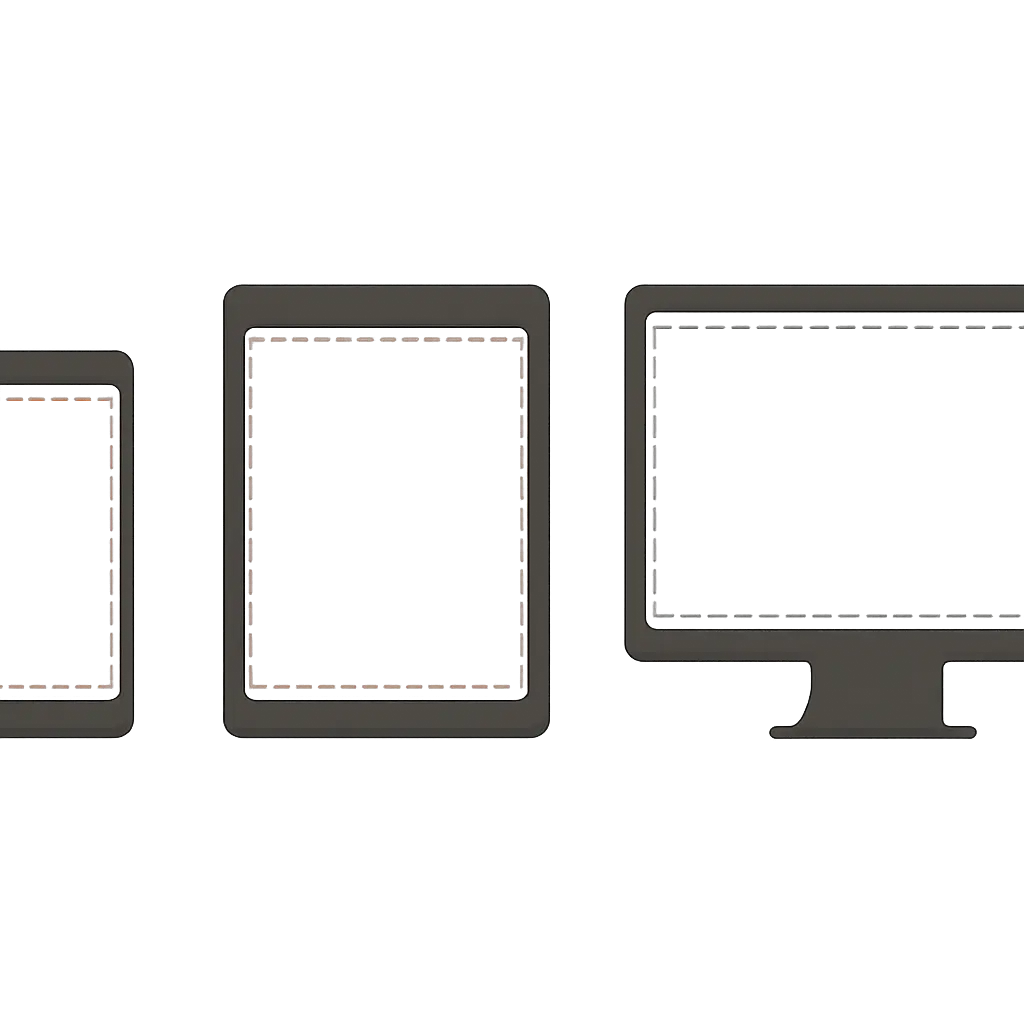
Start by auditing the most content-dense pages on your site. For a casino overview rating page, for instance, the dense tables, star widgets, and sidebar filters will break at different points than a minimal blog post layout. By identifying where each content type becomes unreadable or misaligned, you build a breakpoint map that reflects real user conditions instead of arbitrary device widths.
Recommended Breakpoint Ranges
While content should ultimately dictate your breakpoints, the following ranges serve as a practical starting framework that covers the vast majority of screen sizes in use today. Teams working on data-rich interfaces — such as casino overview rating dashboards or analytics tools — often need additional intermediate breakpoints to handle complex table and card layouts gracefully.
| Breakpoint Label | Min Width | Typical Devices | Layout Notes |
|---|---|---|---|
| Small | 0 px | Phones (portrait) | Single column, stacked elements |
| Medium | 600 px | Phones (landscape), small tablets | Two-column option, larger tap targets |
| Large | 1024 px | Tablets (landscape), laptops | Multi-column grids, visible sidebars |
| Extra Large | 1440 px | Desktops, wide monitors | Max-width container, expanded tables |
Notice that the jump from 600 px to 1024 px is significant. Many casino overview rating websites add a custom breakpoint around 820 px to prevent comparison tables from collapsing too aggressively. If your project includes data-heavy components, consider following the same pattern and testing that intermediate zone thoroughly.
Mobile-First vs. Desktop-First
The mobile-first methodology — writing your base CSS for the smallest screen and layering on complexity through min-width media queries — remains the industry standard for good reason. It forces you to prioritize content hierarchy, which benefits every viewport. Casino overview rating interfaces, for example, gain clarity when designers first decide which rating criteria deserve top billing on a 360-pixel screen before expanding into full comparison grids on desktop.
Desktop-first still has its place in enterprise dashboard projects where the primary audience works on large monitors, but for public-facing sites, starting small keeps performance tight and forces disciplined decisions about information architecture. If you are looking to sharpen those skills quickly, exploring rapid responsive techniques can accelerate your workflow significantly.
Grid Systems, Flexible Containers, and Fluid Typography
With breakpoints mapped, the next layer of your checklist focuses on the structural components that make content flow naturally between those breakpoints. A well-configured grid system prevents the kind of layout drift that makes a polished desktop design look amateur on a mid-sized tablet.
Choosing and Configuring Your Grid
CSS Grid and Flexbox are not competing technologies — they solve different layout problems. Use CSS Grid for two-dimensional layouts where rows and columns both matter, such as a casino overview rating comparison board with scores, badges, and feature lists aligned in a matrix. Use Flexbox for one-dimensional distribution within individual components — navigation bars, card footers, button groups.
Your checklist item here is straightforward: verify that every grid container has explicit responsive behavior defined. That means either using auto-fit or auto-fill with minmax() functions, or switching column counts at each breakpoint. Layouts that rely on fixed column numbers without media query overrides will inevitably overflow or leave excessive whitespace on unexpected screen sizes.
- Define grid-template-columns using minmax() for fluid resizing between breakpoints
- Set a max-width on your outermost container to prevent ultra-wide readability problems
- Use gap properties instead of margin hacks for consistent spacing that scales
- Test nested grids independently — a casino overview rating card grid inside a sidebar grid can conflict
- Ensure grid items have a sensible min-width of zero to prevent overflow in Flexbox contexts
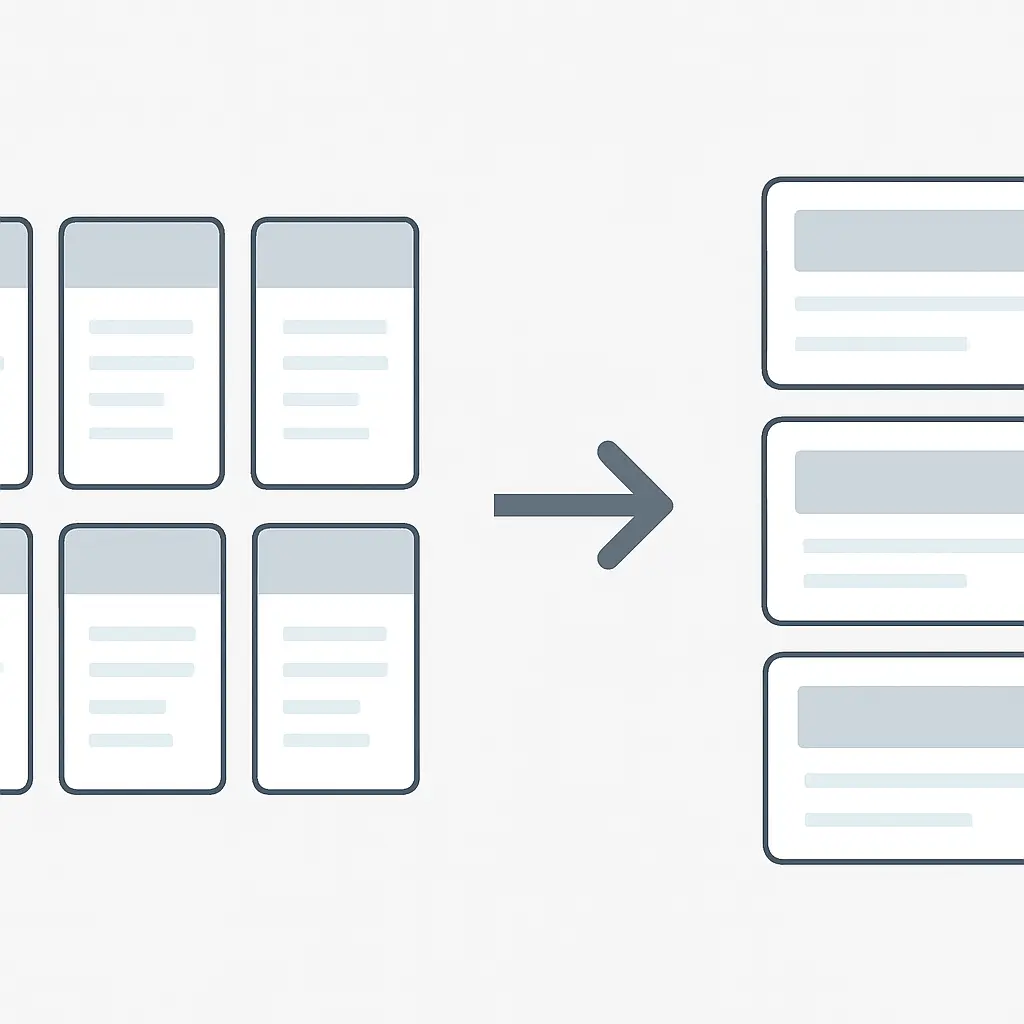
One often overlooked detail is how grids interact with content that has intrinsic sizing, such as images, video embeds, and data tables. A casino overview rating table with seven columns will not cooperate with a narrow grid track unless you provide an overflow strategy — horizontal scrolling within the table container is usually the cleanest solution, rather than forcing the entire grid to stretch.
Fluid Typography and Spacing
Responsive design is not just about moving boxes around — the text inside those boxes needs to scale too. The modern approach uses the CSS clamp() function to set a minimum, preferred, and maximum font size in a single declaration. This eliminates the need for separate font-size rules at every breakpoint and produces a smoother reading experience as the viewport changes.
Apply the same fluid principle to spacing. Margins and paddings expressed in rem or viewport units adapt automatically, keeping the visual rhythm consistent. Casino overview rating pages with dense comparison sections benefit enormously from fluid spacing because the gap between rating badges and review text needs to feel balanced whether the visitor is on a 5-inch phone or a 27-inch monitor.
Testing Essentials: Devices, Browsers, and Edge Cases
Designing responsively and testing responsively are two separate disciplines. Your checklist must include a rigorous testing phase that goes beyond dragging the corner of a browser window.
Device and Browser Coverage
Ideally, test on real devices. Emulators and responsive-mode tools in Chrome DevTools are useful for rapid iteration, but they cannot replicate touch behavior, actual rendering engines, or the performance characteristics of budget Android phones. At minimum, your testing matrix should cover the following:
- An iOS device running Safari — the rendering engine has unique quirks around viewport units and fixed positioning
- A mid-range Android phone running Chrome — this represents your largest mobile audience segment
- A tablet in both portrait and landscape orientation — casino overview rating sites frequently break at landscape tablet widths
- A laptop or desktop running Chrome, Firefox, and Safari (or Edge on Windows)
- A high-DPI display to verify image sharpness and layout consistency at 2x and 3x pixel ratios
Automated visual regression testing with tools like Percy, Chromatic, or BackstopJS can catch subtle layout shifts that manual testing misses. These tools compare screenshots across builds and flag pixel-level differences, which is especially valuable when your layout includes intricate components like casino overview rating widgets where a single misaligned star or truncated label looks unprofessional.
Common Edge Cases to Check
Beyond standard screen sizes, your checklist should include scenarios that trip up even experienced teams. Long strings without spaces — think URLs or casino brand names in a casino overview rating table — will overflow containers unless you apply overflow-wrap: break-word or text-overflow: ellipsis. Dynamic content that loads after the initial render, such as rating scores fetched from an API, can cause layout shifts unless you reserve space with explicit min-height or aspect-ratio rules.
Another frequently missed edge case involves browser zoom. Users who zoom to 200% or higher effectively reduce your viewport width, triggering breakpoints unexpectedly. Verify that your layout still functions correctly when zoomed — WCAG 2.2 requires that content remains usable at up to 400% zoom, making this both a design quality issue and an accessibility compliance matter. For teams focused on building inclusive interfaces, reviewing flexible design layouts provides additional patterns that help maintain grid integrity across these conditions.
Performance, Accessibility, and Ongoing Maintenance
A responsive layout that loads slowly or excludes users with disabilities is a responsive layout that fails. The final section of your checklist should address the non-visual dimensions of responsive quality.
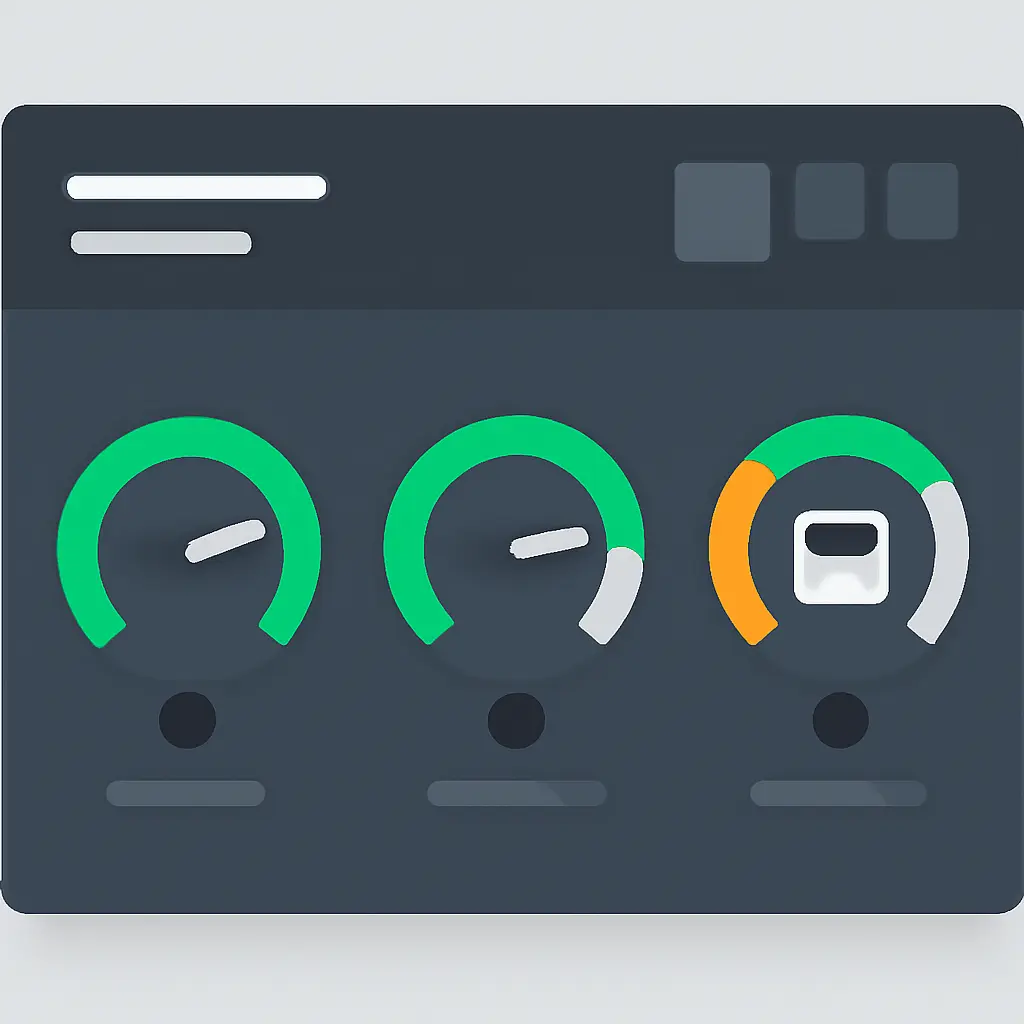
Start with image optimization. Serve appropriately sized images using the srcset attribute and the sizes attribute so the browser downloads only what the current viewport requires. A casino overview rating page loaded with unoptimized hero banners and provider logos can easily push page weight past 3 MB on mobile, destroying Core Web Vitals scores and frustrating users on cellular connections.
On the accessibility front, ensure that all interactive elements remain reachable via keyboard navigation at every breakpoint. Hamburger menus that trap focus, off-screen sidebars that remain in the tab order, and casino overview rating filters that disappear without an alternative input method are common responsive accessibility failures. Run Lighthouse and axe audits at your three primary breakpoints, not just desktop.
Maintaining Your Checklist Over Time
A responsive layout checklist is a living document. New device form factors — foldable phones, automotive displays, wearable browsers — continuously introduce edge cases that did not exist when your original checklist was written. Schedule a quarterly review of your checklist against current analytics data. If 15% of your casino overview rating traffic suddenly comes from a foldable device category, you need to add that to your testing matrix promptly.
Version your checklist alongside your design system documentation. When the design system introduces a new component — say a revamped star-rating widget for a casino overview rating module — the checklist should be updated with specific responsive expectations for that component before it ships. This tight coupling between design system updates and responsive QA prevents the gradual erosion of layout quality that plagues long-running projects.
Bringing It All Together
Responsive design is not a feature you add at the end of a project — it is a discipline woven into every decision from the first wireframe to the final deployment. The checklist outlined here covers the essential pillars: a content-driven breakpoint strategy, well-configured grid systems with fluid typography, thorough cross-device and cross-browser testing, and ongoing attention to performance and accessibility. Whether you are laying out a minimal editorial blog or a data-intensive casino overview rating platform, these checkpoints apply universally.
Print it, pin it to your project board, or integrate it into your team's definition of done. The goal is consistency — making sure that every design you ship respects the screen it lands on. Responsive excellence is not about perfection on one device; it is about deliberate adaptability across all of them. Start with the checklist, iterate as you learn, and your layouts will hold up long after launch day.



Comments
The point about content-driven breakpoints rather than device-specific widths finally clicked for me after I noticed my navigation collapsing awkwardly at 850px, a width no standard breakpoint would have caught.
The point about browser zoom testing caught me off guard — I never considered that zooming to 200% essentially shrinks your effective viewport and can fire breakpoints you didn't intend. Going to add that to our QA process immediately.
Never thought about setting breakpoints where the content actually breaks instead of targeting specific devices. That shift in thinking alone is going to change how I approach layouts going forward.
Honestly the point about content-driven breakpoints is something I wish I had understood earlier. I spent way too long trying to match specific device widths and kept running into layout issues that did not make sense until I started resizing by content instead.
The point about content-driven breakpoints finally clicks for me — I kept setting 768px out of habit and then wondering why my nav looked off on certain tablets.
Never thought about setting breakpoints based on where content actually breaks rather than targeting specific devices. That shift in thinking makes a lot more sense for complex layouts.
The point about content-driven breakpoints finally clicked for me after I stopped targeting specific devices and just resized until things broke. Should have figured that out years ago.
Never thought about content-driven breakpoints before — I always just used the standard device widths and wondered why things looked off on my friend's older Android tablet.
Never thought about setting breakpoints based on where content actually breaks rather than targeting specific device widths. That shift in thinking alone is worth bookmarking this page.
The tip about adding a custom breakpoint around 820px for data-heavy tables is something I learned the hard way after launching a dashboard that looked terrible on iPad landscape.