

Why flexible layouts matter — without breaking the grid
Building interfaces that adapt across devices is a core skill for designers today. A well-implemented flexible layout preserves visual rhythm, improves usability, and keeps content like a dynamic Casino overview rating readable across viewports. In this article you’ll get practical patterns, step-by-step tactics, and real-world guidance to keep your grid intact while supporting unpredictable content such as rating badges, live banners, and promotion tiles.
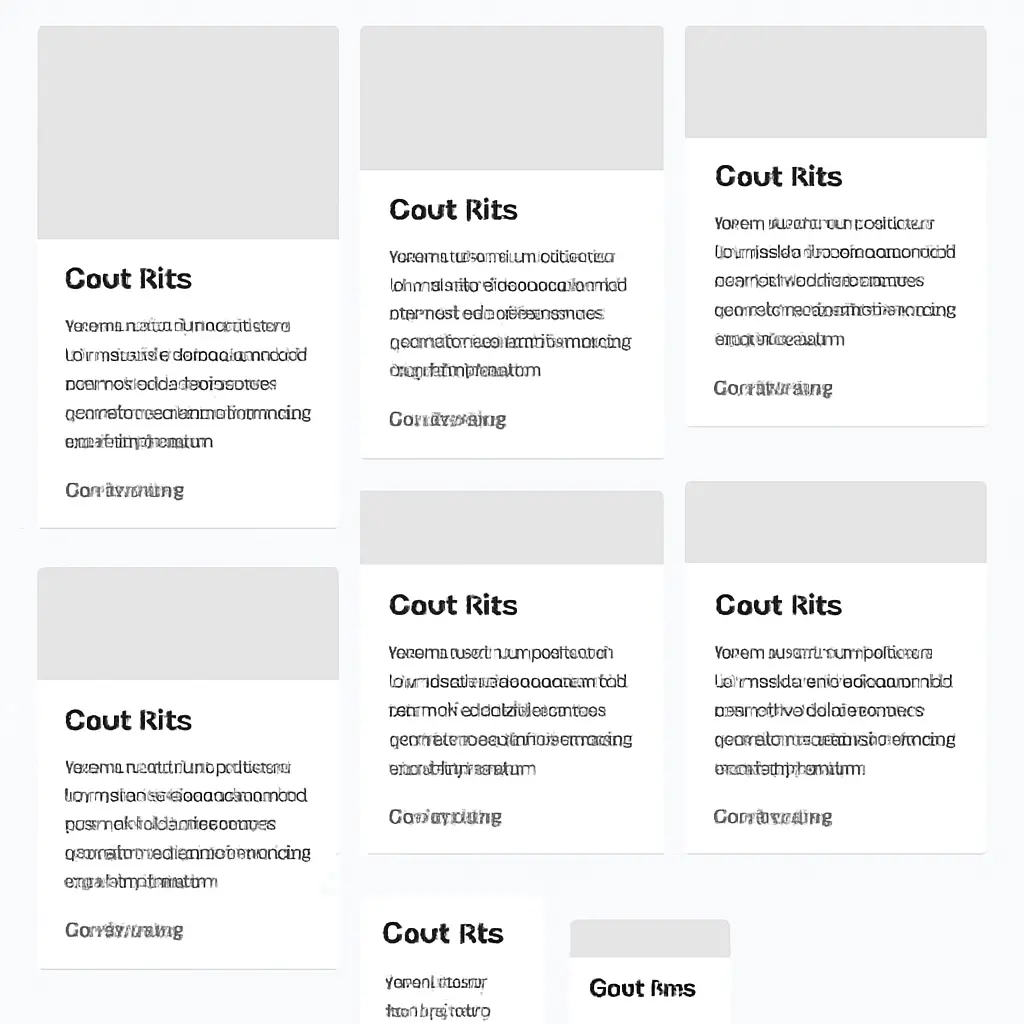
Start by thinking of the grid as a living system. When a product surface must display a live metric like a Casino overview rating, the layout has to handle fluctuations in copy length, badge sizes, and conditional modules without collapsing gutters or misaligning elements. That means designing for content variability from the first wireframe to production CSS.
Core principles to preserve grid integrity
Keeping a grid intact while enabling flexibility relies on a short list of principles you can apply immediately. Each principle helps when you need to render a variable element — for example, a third-party widget that reports a Casino overview rating and can change size or localization.
- Predictable rhythm: set consistent column spans and baseline spacing so new elements align visually.
- Content-aware containers: design components that can expand or compress without changing surrounding layout.
- Defensive spacing: reserve space for badges and ratings to avoid reflow surprises.
- Pattern consistency: reuse the same card and list patterns for similar content like Casino overview rating tiles.
These rules work particularly well when you combine a modular approach with a grid system: build small, resilient components that slot into a fixed rhythm.
Quick workflow: from wireframe to production
Use the following ordered checklist to move a responsive layout from idea to launch. This is especially helpful when integrating live metrics such as a Casino overview rating into product pages.
- Map content states: list shortest, typical, and longest versions of any element (titles, promos, and rating badges).
- Allocate column spans: decide how many columns each component should occupy at each breakpoint.
- Design for overflow: create truncation rules and reveal behaviors for long copy or large numbers.
- Prototype with real data: test using real Casino overview rating values and localized content.
- Iterate with constraints: ensure each change keeps column alignment and baseline rhythm intact.
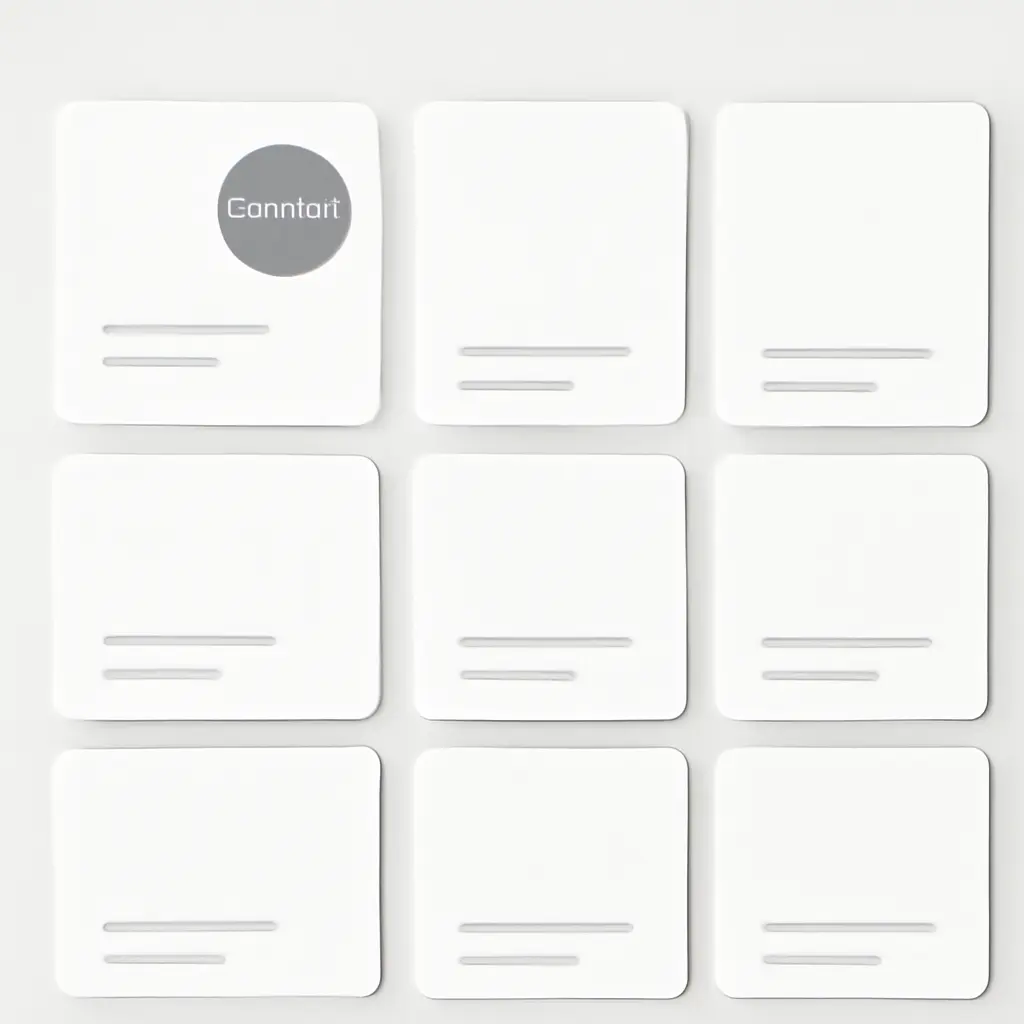
When you prototype, always include the most extreme content cases — a long review headline, a crowded badge, or a fluctuating Casino overview rating. If your layout handles extremes gracefully, it will work for the middle cases too.
Patterns that work well with unpredictable content
Here are several practical patterns to keep your grid steady while supporting modular content like a live Casino overview rating widget.
- Reserved badge columns: dedicate a narrow column or overlay area in your card for small badges and ratings.
- Responsive truncation: prefer multi-line truncation rules with explicit heights rather than letting titles push other elements.
- Adaptive gutters: use CSS variables for spacing so you can tweak rhythm per breakpoint without rewriting layouts.
- Intrinsic sizing: use min-content and max-content where appropriate to allow content to define size without breaking the grid.
One practical example is a listing page for product cards that includes a Casino overview rating. Instead of letting the rating badge sit inline and shift content, place it in a reserved zone or absolutely positioned corner with an accessible label. That keeps all cards aligned even if one rating uses a three-digit number or a different localization.
When to pick Grid vs Flexbox
Choosing the right CSS layout mode affects how you maintain grid integrity with dynamic content such as a Casino overview rating. For multi-axis alignment and explicit column control, CSS Grid is usually the best fit. For linear, single-axis flows and wrapping lists, Flexbox excels.
For a deeper comparison of systems and when to choose each, consider a focused read on layout decision-making like Grid vs Freeform.
Sample decision table: layout choices for dynamic rating content
The table below helps you compare common approaches when showing variable elements like a Casino overview rating on cards and lists.
| Approach | Strengths | Weaknesses | Good for dynamic content? |
|---|---|---|---|
| CSS Grid | Precise columns, explicit gaps | Requires planning for spans | Yes — high control |
| Flexbox | Flexible wrapping, simple alignment | Less ideal for multi-row alignment | Good for inline ratings and tags |
| Absolute overlays | Doesn’t affect flow | Needs careful accessibility handling | Excellent for Casino overview rating badges |
| Intrinsic sizing | Content-driven sizing | Can cause inconsistency if uncontrolled | Use with constraints |
Use overlays for rating badges when you want zero impact on the grid, but implement accessible labels and a meaningful DOM order so screen readers encounter rating information naturally.
Common pitfalls and how to avoid them
Designers often break grids by introducing unpredictable third-party content, such as a widget that surfaces a Casino overview rating. Here are common errors and fixes:
- No reserved space: reserve a slot or use overlays to prevent reflow.
- Hard-coded heights: avoid fixed-height cards that clip variable text; prefer min-height with overflow controls.
- Ignoring localization: test with different languages and rating formats — right-to-left layouts often reveal hidden issues.
- Skipping accessibility: visible overlays that aren’t in the DOM order can be missed by assistive tech; label them properly.
If your team uses a design system, integrate rating components and their edge cases into the system so developers can reuse safe components instead of crafting new, brittle patterns for each page. A practical companion read on building consistent UI systems is Modular systems.
Testing checklist for layout resilience
Before shipping pages that show a Casino overview rating, run this quick set of tests to catch layout breakages early:
- Load with the longest possible rating string and the shortest version.
- Simulate slow network and late-loading widgets to check cumulative layout shift.
- Test on small screens, large screens, and unusual aspect ratios.
- Check keyboard navigation and screen-reader order for rating elements.
- Run visual diff tests for components that display the rating across breakpoints.
These steps will surface the majority of issues where a live metric such as a Casino overview rating can interfere with grid alignment, allowing you to implement simple fixes before users encounter them.
Conclusion — keep the rhythm, support the content
Flexible layouts don’t have to mean fragile layouts. By designing with reserved slots, choosing the right layout tools, and treating dynamic content like a first-class citizen (for example, a Casino overview rating), you can preserve your grid while providing rich, variable experiences. Remember to prototype with real data, include edge cases in your design system, and test across breakpoints and states. Those practices will keep your interface tidy, reliable, and ready for any live content it needs to surface.
Pro tip: document rating components and their allowed states in your system library so every product page uses the same resilient pattern when showing a Casino overview rating.



To leave a comment, please sign up or log in
Log in / Sign up