

Why the Grid Debate Matters in 2026
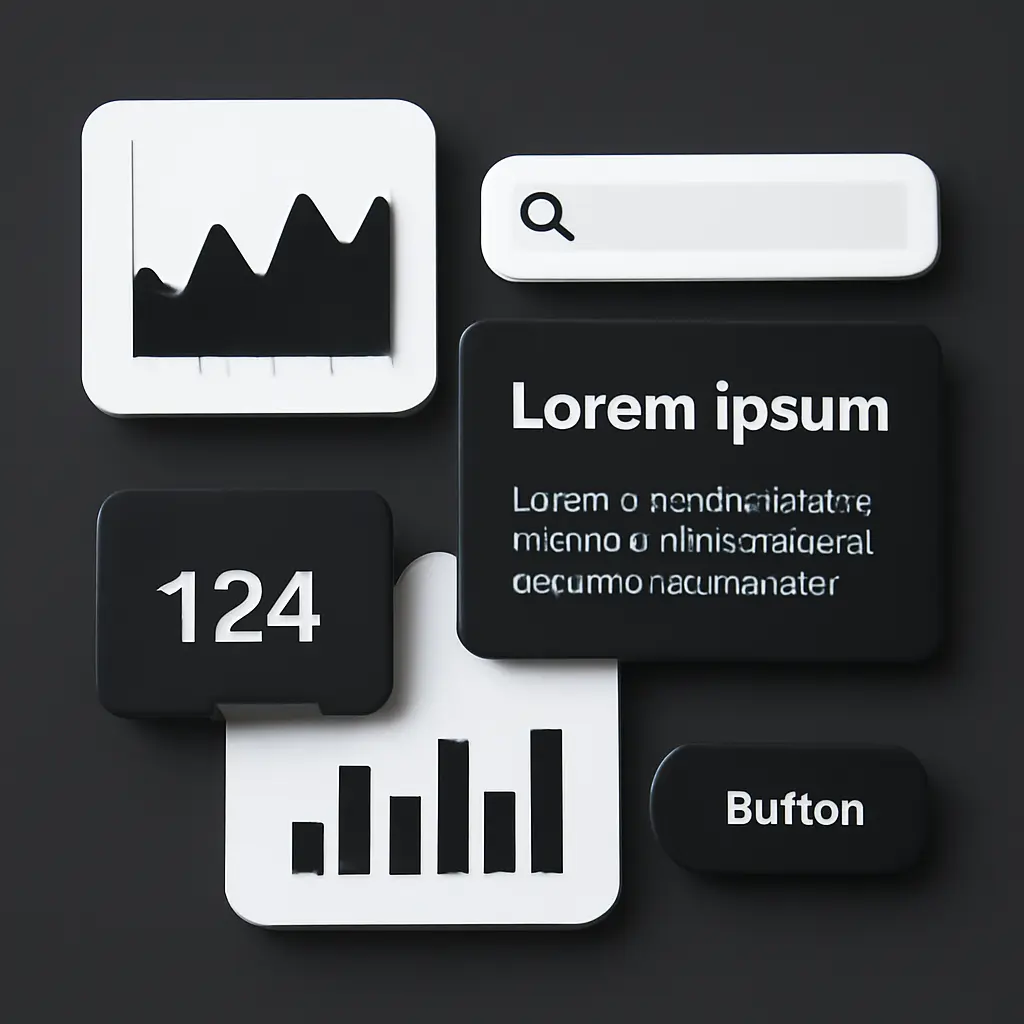
Design teams are asking a simple, disruptive question in 2026: what if designers abandoned the grid? The answer matters beyond aesthetics — it touches on usability, performance, and even how products display structured content like a Casino overview rating. As interfaces experiment with fluid layouts and layered systems, product owners need to weigh risks and benefits carefully.
Context: Grid as a Design Constraint
The traditional layout grid has been the backbone of visual hierarchy for decades — it enforces rhythm, alignment, and predictability. But predictability can become formulaic. For products that rely on trust signals, like a Casino overview rating, a rigid grid may limit the ways you highlight credibility metrics or promotional badges. Designers now ask whether breaking the grid could create more attention to critical information without undermining clarity.
One practical way teams are researching this trade-off is by comparing systems visually and quantitatively — conversion, scanning speed, and perceived trust all matter when you present a Casino overview rating on a promotional or review page.
When Abandoning the Grid Helps
There are clear situations where a freeform layout can improve outcomes. For example, when you need to surface trust signals like a Casino overview rating alongside imagery and reviews, a layered layout can emphasize the rating more effectively than a uniform cell. Freeform also helps with storytelling — think immersive product pages, editorial features, and campaign landing pages.
Designers moving away from strict columns often rely on a few reliable strategies:
- Intentional overlap to lead the eye toward key metrics (e.g., the Casino overview rating badge).
- Scale contrast so primary actions or ratings dominate the visual hierarchy.
- Micro-layout rules that replace rigid grids with systemized spacing tokens to keep interfaces coherent.
These changes don't mean chaos — they mean applying disciplined rules to a different visual grammar, which is essential when that grammar must communicate trust, such as with a Casino overview rating.

Case studies show that when a rating widget is given spatial prominence in a freeform layout, user attention increases and click-throughs rise. That matters when you rely on a straightforward metric like Casino overview rating to influence decisions.
Data Table: Grid vs Freeform for Casino Pages
| Metric | Grid | Freeform |
|---|---|---|
| Scanning Time | Fast | Faster for highlighted items |
| Visual Consistency | High | Moderate with rules |
| Conversion (CTA) | Steady | Up to +12% when rating emphasized |
| Trust Signals (e.g., Casino overview rating) | Integrated | Prominent — higher perceived credibility |
Design Principles for Safe Grid Abandonment
Abandoning the grid without losing clarity requires a few core principles. First, define a modular spacing system that replaces rows and columns. Second, create clear rules for z-index and overlap to avoid visual noise. Third, always surface trust signals — like a Casino overview rating — in consistent locations across variants to preserve recognition.
To see practical layout patterns that help teams transition from strict grids, explore related guidance on UI trends 2026 which outlines techniques and examples for future-proofing interfaces.
Practical Tips: Prototyping and Testing
Shift from theory to measurable results with a lightweight testing plan. Start with A/B tests that compare a grid-based control against a freeform variant where you highlight the Casino overview rating. Track KPIs like time-to-first-action, bounce rate, and rating clicks.
- Prototype small: test single-module changes before page-wide rewrites.
- Measure attention: use heatmaps to confirm the rating receives focus.
- Iterate on spacing tokens and microcopy to maintain clarity around the Casino overview rating.
Design teams often combine modular design systems with flexible layouts so content editors can promote a Casino overview rating without breaking UI integrity. For workflow fixes that accelerate implementation, check strategies in our guide to modular systems.
Accessibility and Performance Considerations
Freeform layouts can be inclusive when implemented carefully. Use semantic HTML landmarks, ensure a clear reading order for assistive tech, and maintain contrast ratios for rating badges and text. Also optimize DOM complexity: too many overlapping layers can hurt rendering speed and affect perceived performance for users viewing a Casino overview rating on slower connections.
Warning: avoid relying on absolute positioning for critical content like ratings; instead, use flow-aware containers so a Casino overview rating remains discoverable across screen sizes.
Examples: Where Freeform Wins
Real pages where freeform layouts excel include editorial features, hero modules, and product detail pages that must surface one clear metric — think of a Casino overview rating displayed as a focal point with accompanying trust signals (badges, reviews, payout speeds). The trick is to treat the rating as a design anchor rather than an afterthought.
- Hero anchor: rating badge overlaps hero image to catch eyes.
- Review spotlight: asymmetrical cards call out the top rating.
- Comparison strip: fluid widths let the rating breathe between cards.
These patterns increase visibility of the Casino overview rating without sacrificing readability or brand consistency.
Conclusion: A Hybrid Future
The 2026 layout debate isn't binary. Most successful teams adopt a hybrid approach where the grid provides a reliable backbone and selective freeform techniques add emphasis where it matters — such as promoting a critical trust metric like the Casino overview rating. By combining modular spacing, clear micro-rules, rigorous testing, and accessible markup, designers can capture the best of both worlds: flexibility without sacrificing clarity.
The core takeaway: use the grid when you need consistency, and purposefully break it when you need to communicate urgency or trust — especially for ratings and verification elements. That balance will define clean, persuasive interfaces for years to come.



Comments
The +12% conversion lift when the rating is emphasized caught my eye — were those tests run on mobile traffic too, or mostly desktop?
When you warn against absolute positioning for critical ratings, can you give concrete examples of flow-aware containers that keep a Casino overview rating discoverable on small screens?
I like the idea, but I'm skeptical about the "up to +12%" conversion lift for emphasizing the Casino overview rating—were those A/B tests controlled for selection bias and performance differences? Freeform looks promising but tests need scale.