

Why UI Layouts in 2026 Demand a Fresh Look
Designers entering 2026 face a fast-evolving landscape where users expect interfaces that are not only beautiful but also context-aware and performance-minded. User expectations now include instant clarity, adaptive content, and intuitive flows across devices. For many websites—especially review-heavy experiences like a Casino overview rating page—layout decisions determine whether a visitor trusts the content or clicks away. This article walks through the most impactful UI layout trends that will reshape design in 2026, with practical tips and examples to future-proof your interfaces.
Before we dive into trends, remember that a single design shift can dramatically affect clarity for complex content like a Casino overview rating table or a comparison grid. Good layout is the bridge between raw data and human decision-making; when you design for clarity, conversion and trust both improve.
1. Grids Evolve: From Rigid to Responsive Intelligence
The era of fixed breakpoints is waning. Modern layouts use fluid grids and container queries to adapt content gracefully. For a page that lists a Casino overview rating, this means rating badges, pros/cons, and action buttons reflow intelligently so key information remains visible at a glance.
Two practical moves:
- Adopt container queries so components react to their allotted space, not just the viewport.
- Prioritize content blocks so the Casino overview rating and CTA appear above the fold on small devices.
2. Modular Systems Make Layouts Scalable
Design systems powered by modular components let teams reuse patterns across product lines and maintain a consistent presentation for metrics like the Casino overview rating. Reusable components save time and reduce visual drift.
For teams interested in building these foundations, the modular systems guide shows how to assemble components that scale from single-page apps to enterprise dashboards.
3. Card-Driven Summaries for Dense Data
Cards remain a top pattern in 2026 because they encapsulate content without overwhelming users. When presenting a Casino overview rating, use concise cards that highlight the score, top bonus, and trust indicators. Treat each card as a micro-decision point with a clear CTA.
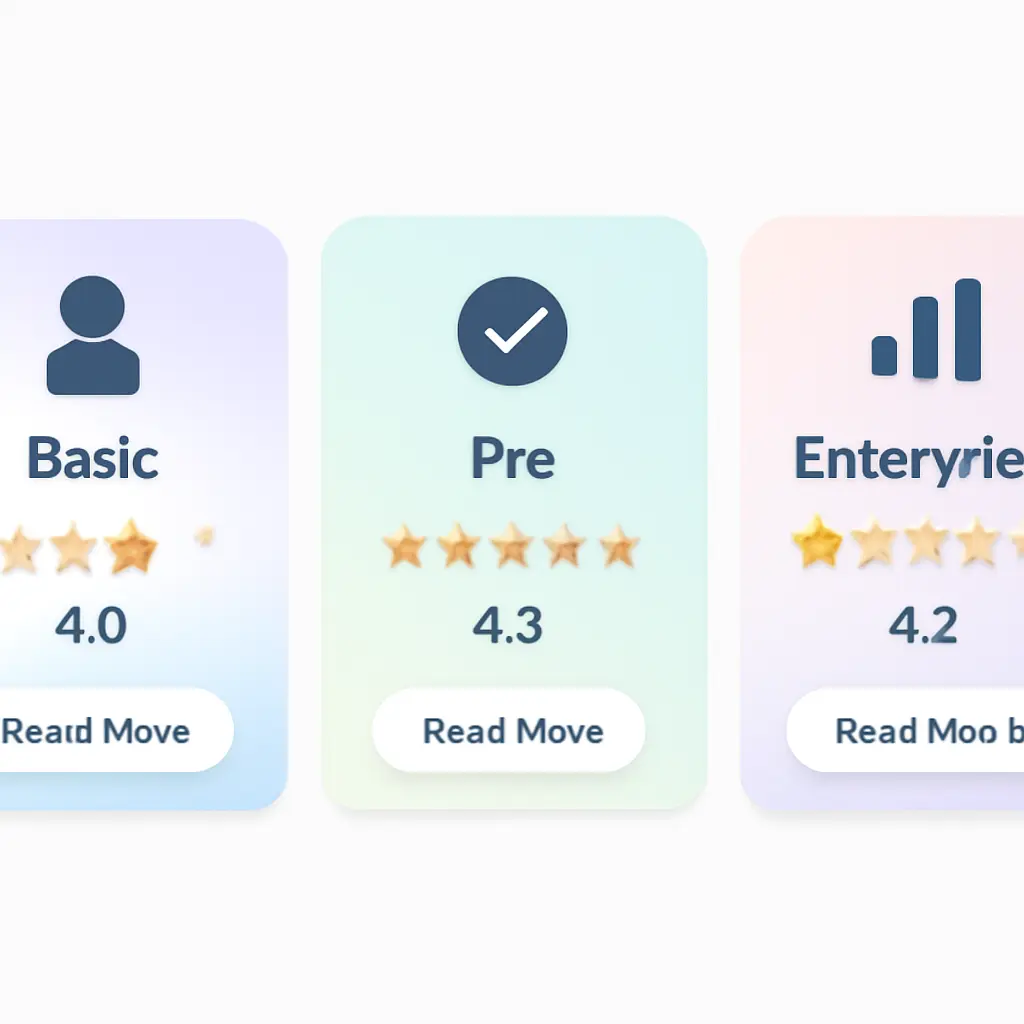
Cards also enable lazy loading and progressive disclosure: load the hero content first (rating, image, short summary), then fetch details like payout speed and terms when the user requests them.
4. Motion and Micro-Interactions for Context
Micro-interactions in 2026 help users understand relationships between elements—especially in dynamic lists like sorted casino rankings with changing Casino overview rating values. Simple transitions when sorting or filtering provide context and reduce cognitive load.
A few design rules:
- Animate only for clarity, not decoration.
- Keep duration under 200ms for feedback interactions.
- Respect reduced-motion preferences for accessibility.
5. Personalized Layouts Driven by AI
AI will increasingly rearrange layout priorities based on user intent signals. For example, if a returning user often views payout speed first, the UI can adapt to surface Casino overview rating metrics related to payouts more prominently. These small optimizations boost engagement when done transparently and ethically.
Practical note: store personalization rules server-side and fall back to a neutral layout for first-time visitors to avoid fragmentation and ensure consistent brand experience.
6. Accessible, Trustable Ratings and Data Presentation
Any rating system such as a Casino overview rating must be accessible and clearly sourced. Use ARIA labels, keyboard focus states, and visible semantics so assistive tech can present the score and reasoning. Accessibility is non-negotiable in 2026—both legally and for user trust.
For step-by-step accessibility checks, consider pairing layout reviews with an accessibility checklist and automated tests to validate color contrast and tab order.
Designers can also learn techniques for flexible layout behavior from practical resources like flexible layouts, which cover patterns that preserve grid integrity across device sizes.
Design Patterns and Examples
Below is a compact table showing how core layout choices map to outcomes for a content-heavy page (example: a Casino overview rating index).
| Layout Pattern | Best Use | Impact on Casino overview rating |
|---|---|---|
| Responsive Card Grid | Comparison pages | Improves scanability of ratings and promos |
| Single Column Feed | Mobile-first review reading | Focuses attention on rating explanations |
| Two-column Article + Sidebar | In-depth reviews with quick facts | Highlights the Casino overview rating without breaking flow |
When you design tables or comparison matrices for a Casino overview rating, ensure numeric scores are center-aligned and have meaningful labels so they can be parsed visually and by screen readers.
Quick Workflows to Adopt Today
To apply these trends rapidly, follow this three-step checklist:
- Audit core flows and mark where users expect the Casino overview rating to appear.
- Modularize repeated elements (badges, score tiles, CTA footers) so changes propagate quickly.
- Measure and iterate by tracking exposure to rating elements and conversion on CTAs.
Teams that need fast, practical layout fixes can also reference focused resources that show rapid responsive techniques and quick layout patterns for cross-device UX.
Performance and SEO Considerations
Layouts affect performance and SEO. Heavy image spriting, oversized fonts, and unnecessary DOM depth slow rendering. For pages that list multiple Casino overview rating entries, implement skeleton loaders and server-side rendering for the rating tiles to improve perceived performance and indexing.
Important metrics to monitor include First Contentful Paint (FCP), Largest Contentful Paint (LCP), and interaction-to-next-paint (INP). Improving these helps search engines reward your content and users stay engaged.
Note: when optimizing, don't hide the Casino overview rating behind client-only rendering without a server-side fallback—search engines and assistive tools should see the rating out of the box.
Conclusion: Future-Proofing Your Layouts
Designers who adopt fluid grids, embrace modular systems, and prioritize accessible presentation will be best positioned for 2026. The Casino overview rating example used throughout this article illustrates that clarity, trust, and performance are interdependent: improve one and the others follow.
Actionable takeaways:
- Start small: refactor the highest-traffic rating component into a modular, accessible piece.
- Measure what matters: track exposure and click-throughs on your Casino overview rating placements.
- Iterate with intent: use A/B tests for layout variants and measure both UX and business metrics.
By combining these trends—responsive intelligence, motion that informs, and modular components—you’ll deliver interfaces that feel modern, trustworthy, and optimized for the way people decide. A well-designed Casino overview rating section is just one concrete place to start, and the principles scale across product types.



Comments
I like the personalization idea, but moving personalization rules server-side seems like it could complicate caching and increase latency for Casino overview rating pages—any tips for balancing personalization with performance?
Has anyone tried using container queries for a Casino overview rating grid yet? I'm curious how they handle badge reflow without breaking alignment on mid-size tablets.
The "Personalized Layouts Driven by AI" idea makes sense, but wouldn't constant rearrangement of elements like surfacing payout speed fragment the brand or confuse users? What guardrails beyond server-side fallbacks would you recommend?