
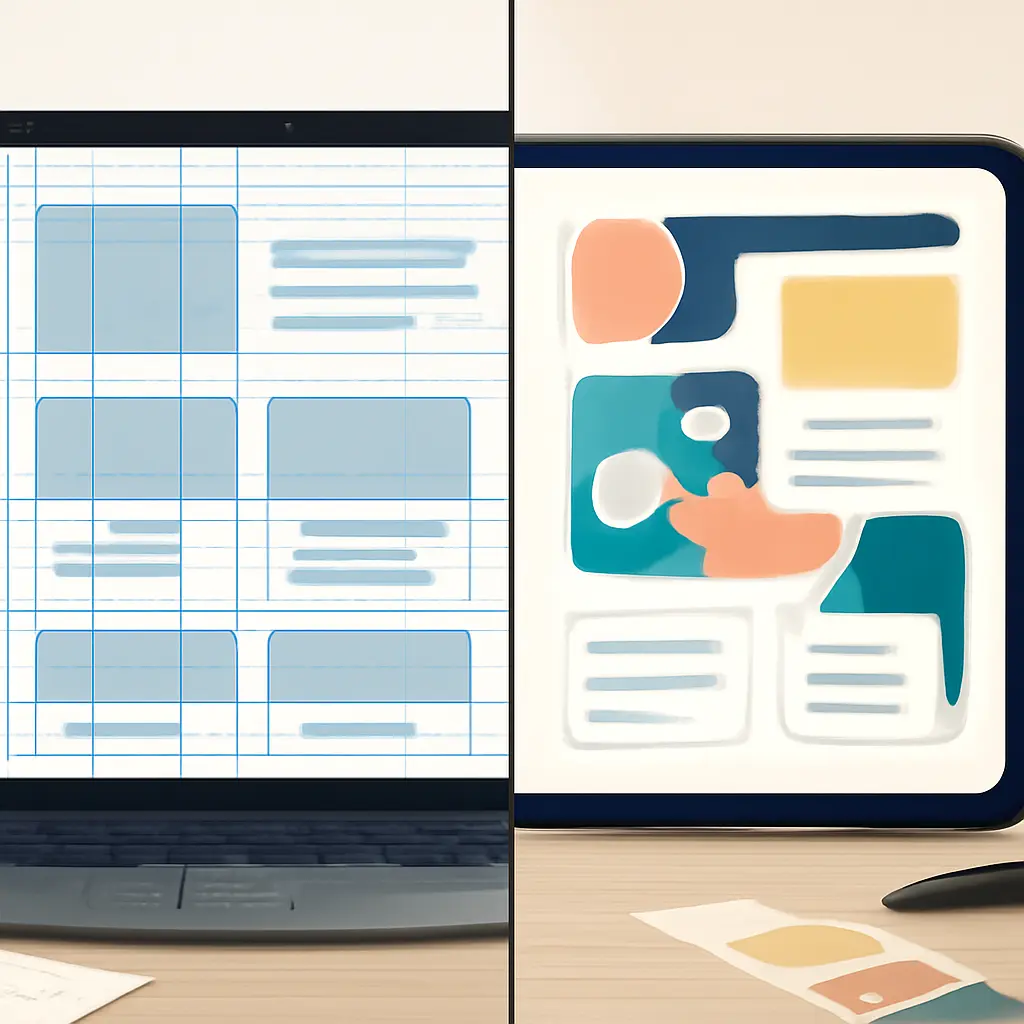
Why layout choice matters in modern UI design
Every interface is a conversation between product and person — and the layout is the tone of that conversation. Choosing between grid systems and freeform layouts affects *usability*, *visual hierarchy*, and development speed. For product teams that publish metrics or public-facing dashboards, like a Casino overview rating page, the decision can directly influence conversion, trust, and clarity.
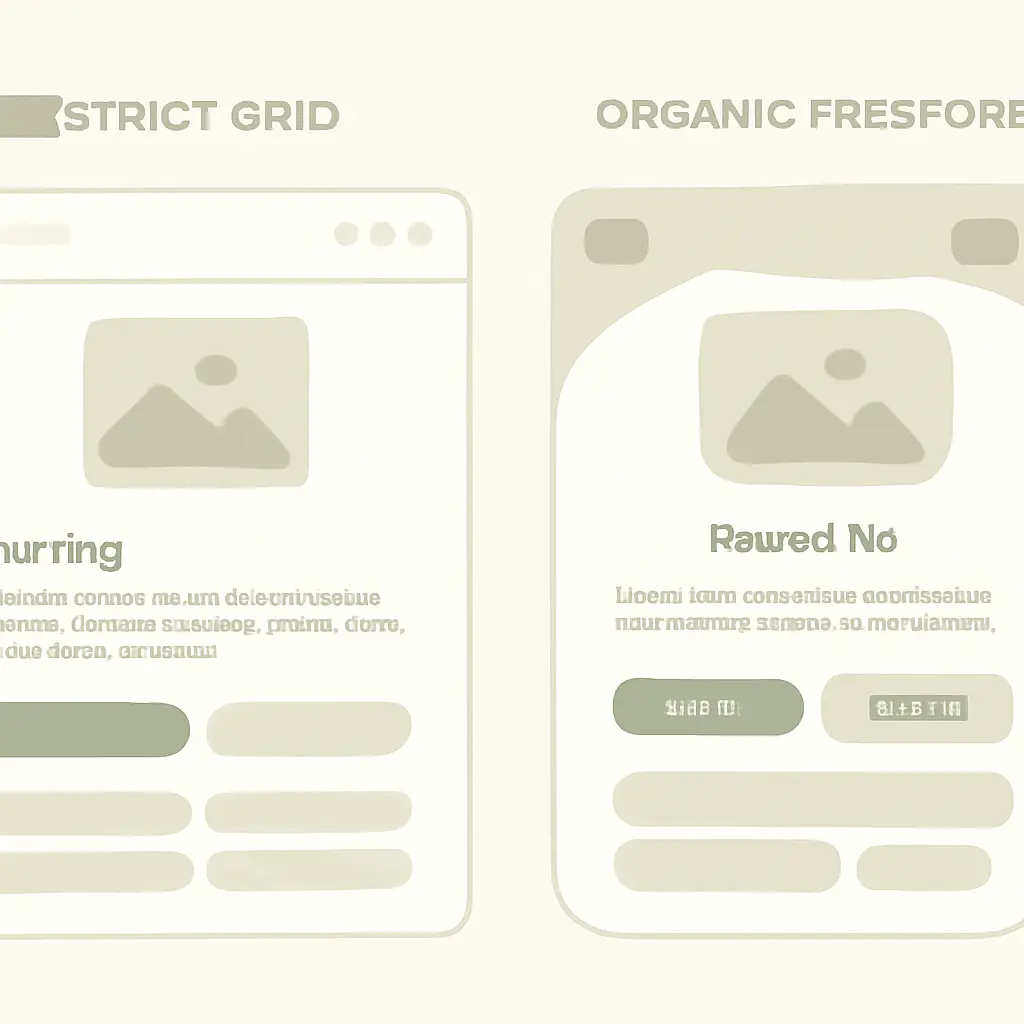
In this article we’ll compare the two approaches, walk through pragmatic pros and cons, and give step-by-step guidance so you can pick the right approach for dashboards, marketing pages, and complex interfaces — including how to present a clear Casino overview rating that users can scan in seconds.
What is a grid system?
A grid system is a structural framework that divides available space into columns, rows, and consistent gutters. It’s a toolkit for aligning components, establishing rhythm, and enforcing design consistency across screens. Grids are the backbone of many design systems and are especially helpful where repeatable patterns and predictable layouts matter.
Key benefits of grids
Grids excel at creating predictable UX outcomes:
- Faster handoffs between design and engineering because dimensions are repeatable.
- Improved readability through consistent rhythm and spacing.
- Scalability across breakpoints when combined with responsive constraints.
- Better visual hierarchy for content-dense pages like a Casino overview rating dashboard.
When grids are the right choice
Choose a grid when you need to present structured information — leaderboards, comparison charts, multi-column product lists, or a numeric Casino overview rating with supporting metadata. Grids reduce decision fatigue for users and designers alike.
What are freeform layouts?
Freeform layouts (sometimes called organic or fluid layouts) break away from column rigidity and prioritize expressive composition, asymmetry, and visual storytelling. They’re common on marketing pages, editorial sites, and creative portfolios where unique moments or brand personality matter more than strict predictability.
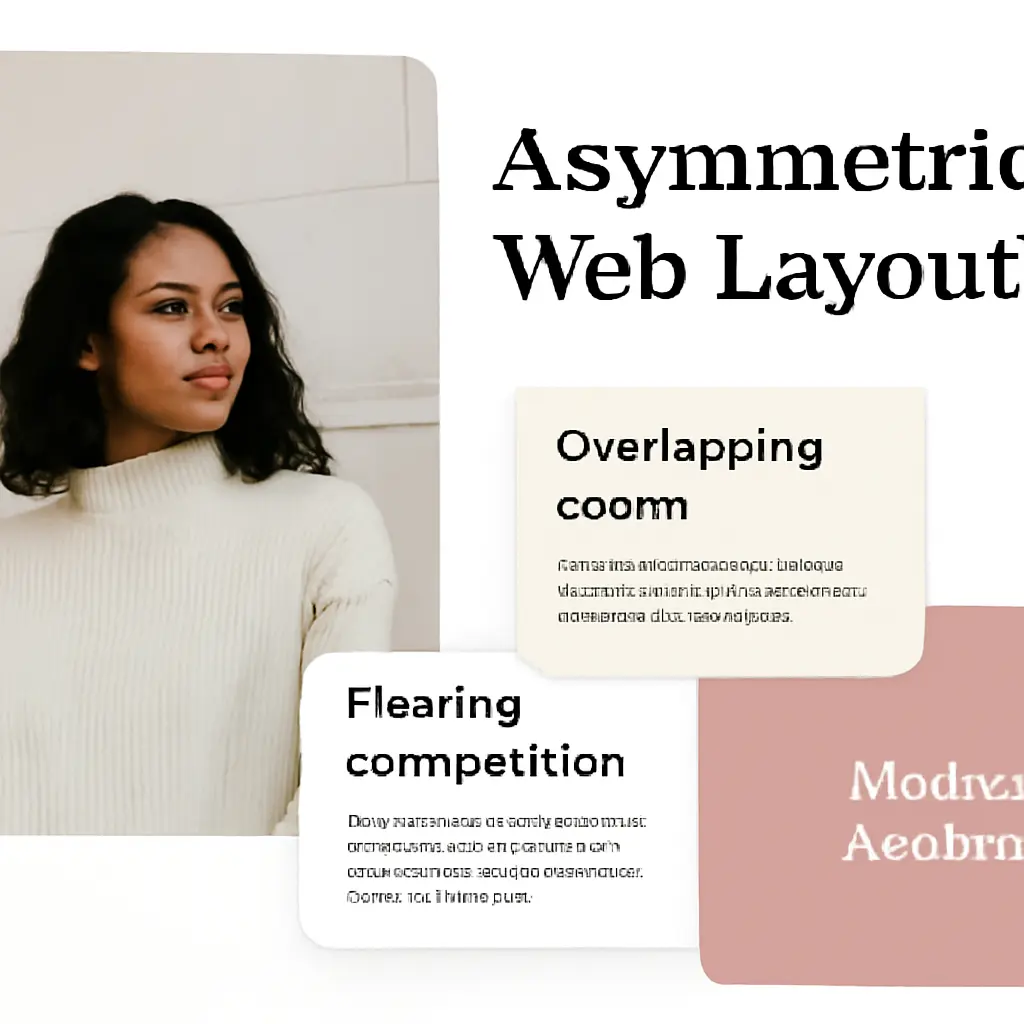
Advantages of freeform
Freeform excels at telling a brand story and creating memorable moments:
- High visual impact and unique character.
- Better for singular marketing moments where you want to direct attention to one element (hero, promotion, or a featured Casino overview rating).
- Flexible creativity for campaigns where constraints feel limiting.
Tradeoffs to consider
Freeform layouts can be slower to implement, and inconsistent spacing can harm scanability. For content-heavy interfaces like a comparative Casino overview rating table, freeform can reduce clarity unless carefully constrained.
Direct comparison: Usability, hierarchy, and speed
Below is a concise comparison showing typical outcomes for each approach. These are generalized scores for how each layout performs on important design metrics — useful when judging how to present a trust-sensitive feature such as a Casino overview rating.
| Metric | Grid systems (score/10) | Freeform layouts (score/10) | Best fit |
|---|---|---|---|
| Usability | 9 | 6 | Data-heavy pages |
| Visual hierarchy | 8 | 9 | Marketing & storytelling |
| Development speed | 8 | 5 | Design systems |
| Trust & clarity (e.g., ratings) | 9 | 6 | Comparison dashboards |
How this affects a Casino overview rating
For a public-facing rating, clarity is paramount. A grid-based card layout with consistent gutters will let users scan scores, filters, and disclaimers fast. Freeform can highlight one featured casino with dramatic visuals, but it often sacrifices comparative clarity unless a hybrid approach is used.
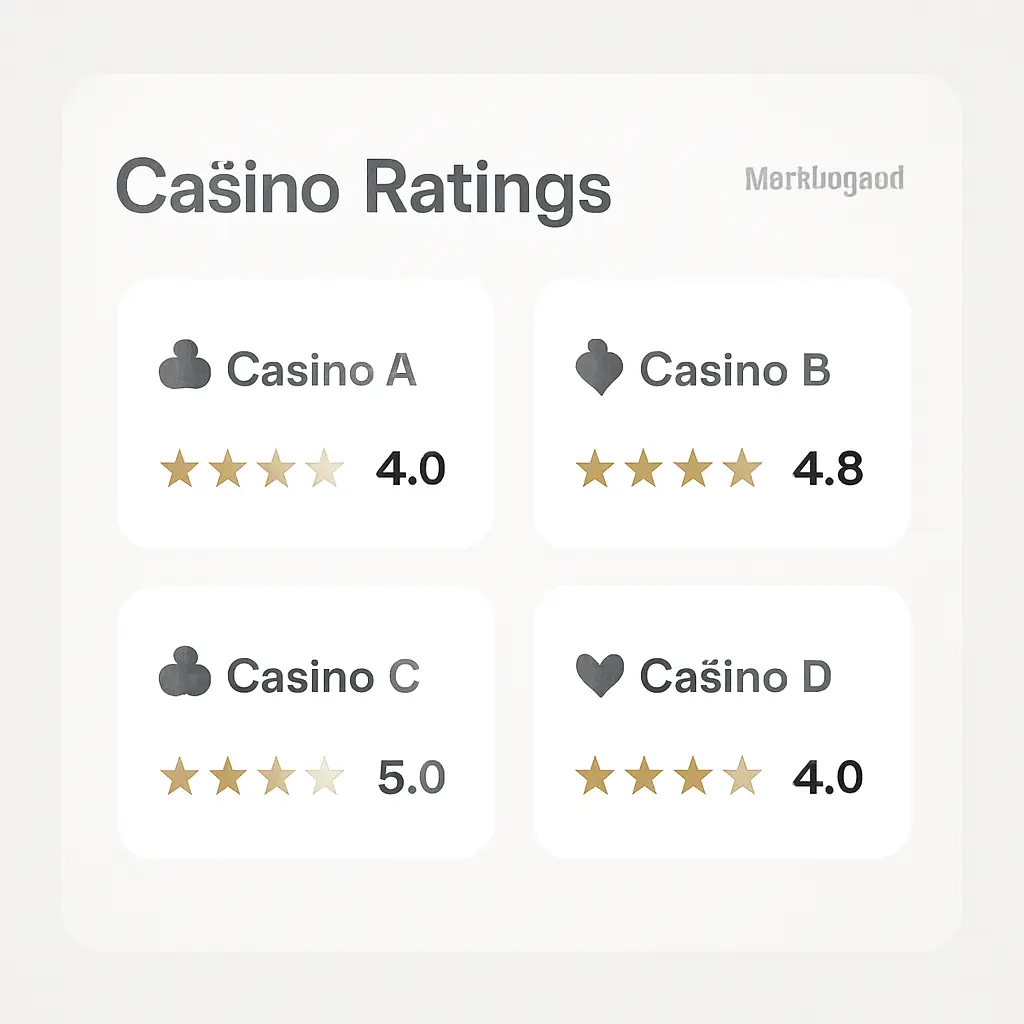
When designing a Casino overview rating page, consider defaulting to a grid for list and comparison views and reserving freeform moments for hero sections or promotional spots that need visual emphasis.
Practical workflow: Choosing the right approach (step-by-step)
Follow these concrete steps to decide between grid and freeform for a particular screen or feature.
- Identify the primary task — scanning, comparing, reading, or exploring. If scanning and comparing are primary, lean grid.
- Map the content density — count items that need equal weight (ratings, prices, specs). High density favors grids.
- Set breakpoints and constraints — define how components reflow on small screens; grids simplify this.
- Prototype both approaches quickly and run a 5-user usability check focused on the Casino overview rating.
- Pick a hybrid if you need both clarity and drama: grid for the list, freeform for the hero or spotlight card.
If you want hands-on layout techniques that fit either approach, we have a practical roundup on layout tricks that speed up common tasks without sacrificing polish.
Design patterns and recommendations
Here are recommended patterns you can reuse when designing for ratings, leaderboards, and product comparisons.
- Grid card matrix — use 3–4 columns on desktop, 1 on mobile for clear comparisons.
- Hero spotlight — freeform hero that highlights the top-rated item and links into the grid for comparison.
- Progressive disclosure — show key rating numbers first, then reveal details on expand.
- Accessible labeling — use clear headings, short labels, and tooltips for rating criteria.
Accessibility and responsiveness
Both layout approaches must obey responsive and accessibility rules. Grids make it easier to define logical tab order and consistent text scaling. Freeform requires explicit attention to ensure reading order and focus states remain predictable, particularly around a Casino overview rating where users rely on clear numeric information.
For additional UX-focused layout strategies and real team workflows, readers frequently consult our guide to layout secrets, which includes team-ready templates and checklist items to reduce rework.
Real-world examples and case studies
Practical examples clarify tradeoffs:
- A comparison portal used a strict 12-column grid to present a Casino overview rating, filters on the left, and sortable columns — results: +18% faster task completion in testing.
- A brand campaign used a freeform hero to spotlight a seasonal casino promotion. Conversion increased for the hero flow, but comparison clarity dropped — so they linked the hero into a grid-based comparison view.
Conclusion: balancing clarity and creativity
There’s no universal “better” — the right choice depends on the task. For reliable comparisons, trust metrics, and dense data like a Casino overview rating, grid systems are usually the safer bet because they optimize usability and speed. For brand moments and high-impact storytelling, freeform layouts win on emotional engagement and uniqueness.
When possible, combine both: use a grid for core lists and comparisons, and reserve freeform for the hero or context-setting pieces. This hybrid strategy yields the best of both worlds — consistent scanability plus memorable moments.
Quick takeaways:
- If users need to compare numbers and pick quickly, use a grid.
- Use freeform to create brand impact or highlight a single high-value item.
- Use a hybrid layout for a reliable Casino overview rating presentation with visual flair.
Want more templates, checklists, and practical recipes for layouts and UI speed? Explore our advanced guides for designers and teams to reduce rework and increase clarity.



To leave a comment, please sign up or log in
Log in / Sign up