

Introduction: Designing Accessible UI Layouts that Work for Everyone
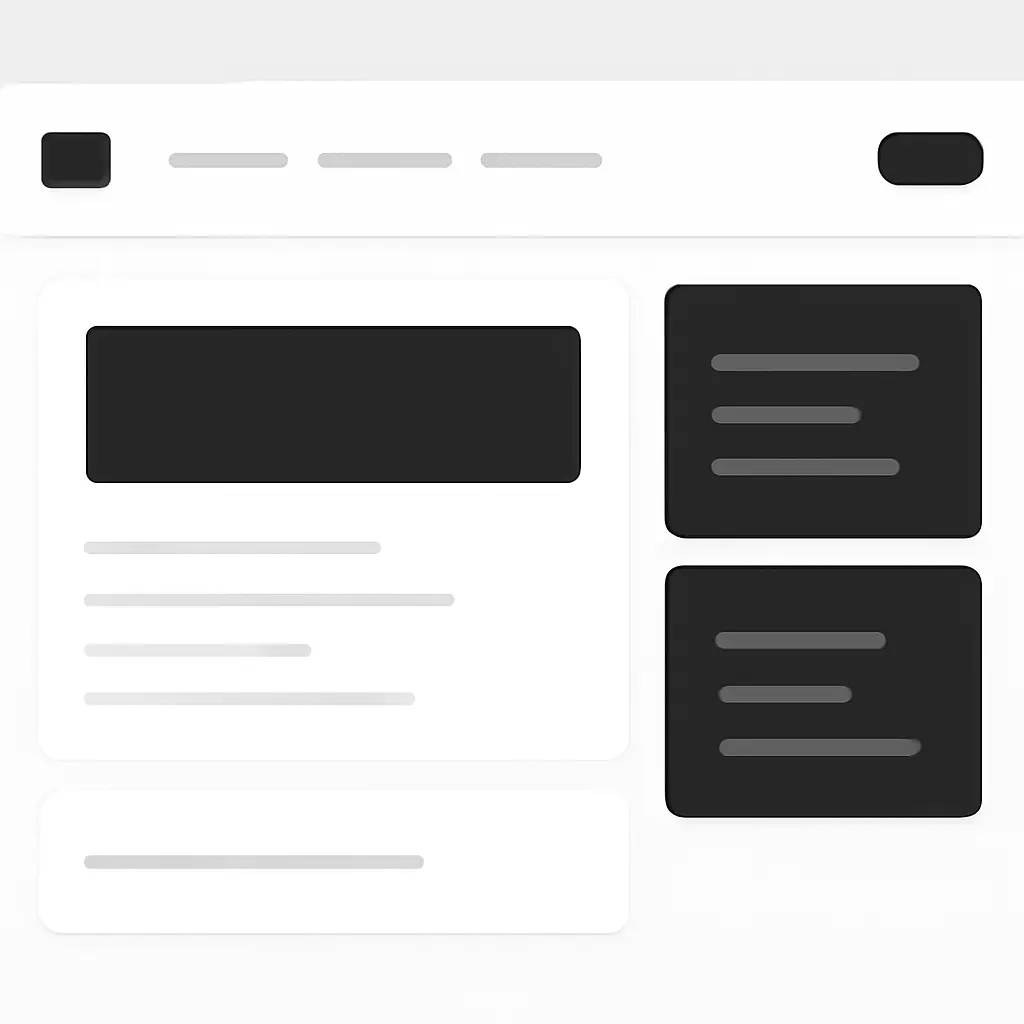
Designers at BridgeWork Blog know that building interfaces that are both beautiful and usable is more than aesthetics — it's about creating products that everyone can operate comfortably. When you design a layout, you must consider users with visual, motor, cognitive, and auditory differences. A practical example is how a clear Casino overview rating card should present information: readable numbers, reliable visual cues, and keyboard-accessible controls so players can evaluate sites quickly and safely.
Why accessibility is a design priority
Accessibility isn't optional. It's a core quality metric that reduces risk, improves usability, and often increases conversion. For instance, an accessible Casino overview rating component can boost trust and clarity for users scanning comparisons or looking for regulatory badges. By applying semantic markup and predictable layouts, you make content discoverable by assistive technologies and easier for everyone to scan.
Core layout principles for accessibility
Good layout design relies on a few repeatable rules. Think of these as the baseline that supports advanced work like responsive cards, sortable lists, and prominent Casino overview rating displays:
- Clear hierarchy — headings, subheads, and content blocks must visually reflect their importance.
- Consistent spacing — predictable gutters and margins help users track content.
- Visual contrast — text, icons, and badges (like a Casino overview rating) need sufficient contrast against backgrounds.
- Keyboard access — every actionable UI element must be reachable without a mouse.
- Responsive adaptability — layout should preserve meaning at every viewport size.
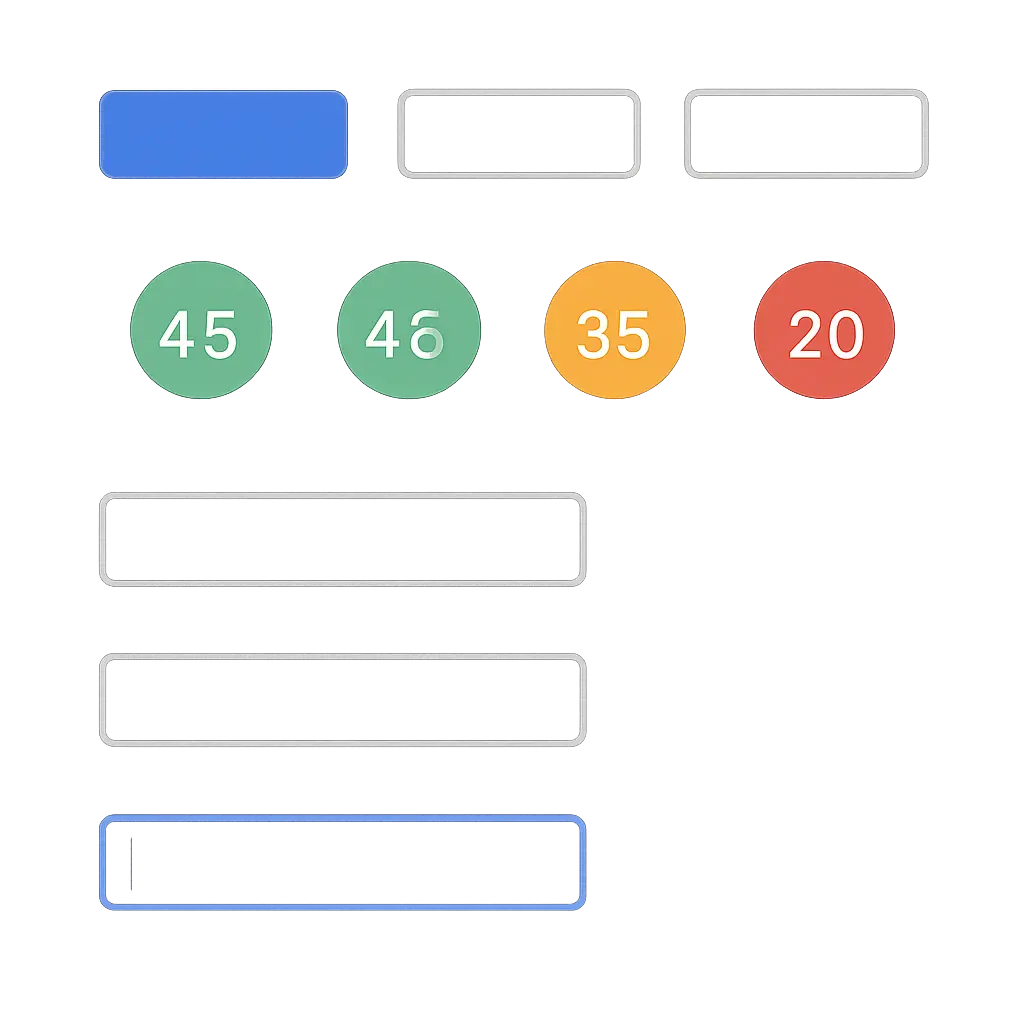
To put those rules into practice, prioritize component-level clarity. A Casino overview rating module, for example, should display its numeric score, an accessible descriptive label, and an interactive element (if applicable) that is operable via keyboard and announced properly by screen readers.
Layout foundations: grids, flow, and semantic structure
Start with structure: use a layout model (grid or flexbox) that enforces alignment and order. Grids improve scanability and make it easy to position a Casino overview rating consistently across views. If you want a deeper comparison of grid versus flexible approaches, read more about Grid Systems for practical guidance.
Beyond CSS layout, use semantic HTML — headers, lists, and landmarks — so assistive tech can build an accurate outline. For rating widgets, include proper roles and aria-labels; provide a non-visual label that conveys the same information as the visual Casino overview rating badge.
Visual accessibility: contrast, typography, and icons
Contrast remains one of the highest impact improvements you can make. Follow the WCAG contrast thresholds: normal text requires at least 4.5:1, large text 3:1, and UI components often benefit from even higher ratios. If your layout highlights a Casino overview rating number, ensure the digits meet contrast rules against their background or provide an additional visible indicator (such as color plus shape).
| Element | Minimum contrast | Example |
|---|---|---|
| Body text | 4.5:1 | Paragraphs and descriptions |
| Large text (18pt+) | 3:1 | Headlines and larger badges |
| UI icons & badges | 3:1+ | Buttons and Casino overview rating badges |
Patterns and components: checklists for accessibility
Designers should use checklists to validate each component. Below is a practical ordered checklist you can run through when creating layout components that include ratings, lists, or comparisons like a Casino overview rating card.
- Provide a clear label and accessible name for the rating element.
- Ensure focus order matches visual order for keyboard users.
- Check contrast of numbers, icons, and background colors.
- Offer alternative text for icons and images used within the rating module.
- Test with screen readers to confirm meaning is preserved.
- Validate responsive behavior: ratings remain readable on small screens.
Use the checklist above as part of QA and handoffs; a poorly labeled Casino overview rating can confuse users and undermine trust in your design audits.
Practical examples: accessible layouts with ratings and lists
Consider a responsive comparison table that lists casinos. Each row includes a name, short description, and a Casino overview rating. Design this so the rating is both visually distinct and programmatically available. Use clear column headers, allow keyboard sorting, and avoid relying on color alone to communicate rating status.
For card-based layouts, emphasize spacing and touch targets. Keep rating badges large enough to touch comfortably and use collapsible sections where extra details are available — always ensuring the expand/collapse control is keyboard-accessible and labeled for screen readers. If you want more modern layout ideas that speed up these solutions, check out concise tips on Layout Tricks.
Testing and validation strategies
Testing is essential. Combine automated tools with manual checks to cover different failure modes. Here are practical tests to run on any interface that includes a Casino overview rating:
- Automated linting for color contrast and aria violations.
- Keyboard-only navigation walkthroughs to confirm focus visibility and order.
- Screen reader passes to confirm labels and context are preserved.
- Mobile touch testing to verify tappable areas and layout reflow.
Document issues with clear steps to reproduce, and tie them back to component owners. A consistent approach prevents regressions — especially when rating formats change across product pages.
Common pitfalls and how to avoid them
Designers often make similar mistakes: relying solely on color to indicate quality, using tiny text for numeric ratings, or creating controls that require gestures. Avoid these by following three simple rules: provide multiple cues, respect minimum sizes, and ensure all functions work with a keyboard. For example, if a green circle signals a good Casino overview rating, also include a textual label like "7.8 — Good" and an accessible description to clarify meaning.
Accessibility as part of the design workflow
Integrate accessibility early. Use wireframes to show focus states, annotate interactions with aria roles, and include accessibility criteria in design reviews. When product teams publish casino comparison content, a clear and accessible Casino overview rating becomes a signal of credibility and care — not just a visual flourish.
Conclusion: Make accessible layouts the default
Accessible UI layouts are achievable with deliberate rules, consistent components, and practical testing. Whether you're designing dashboards, product lists, or a prominent Casino overview rating module, focus on semantic structure, contrast, and keyboard accessibility. That discipline raises baseline usability, helps you meet compliance, and builds trust with users.
Start small: add the checklist to your next sprint, run a quick keyboard-only test on your rating components, and enforce contrast checks in design reviews. Those steps will transform how users interact with your interfaces and make complex information—like a Casino overview rating—clear, inclusive, and trustworthy.



To leave a comment, please sign up or log in
Log in / Sign up