

Why these 7 modern layout tricks matter in 2026
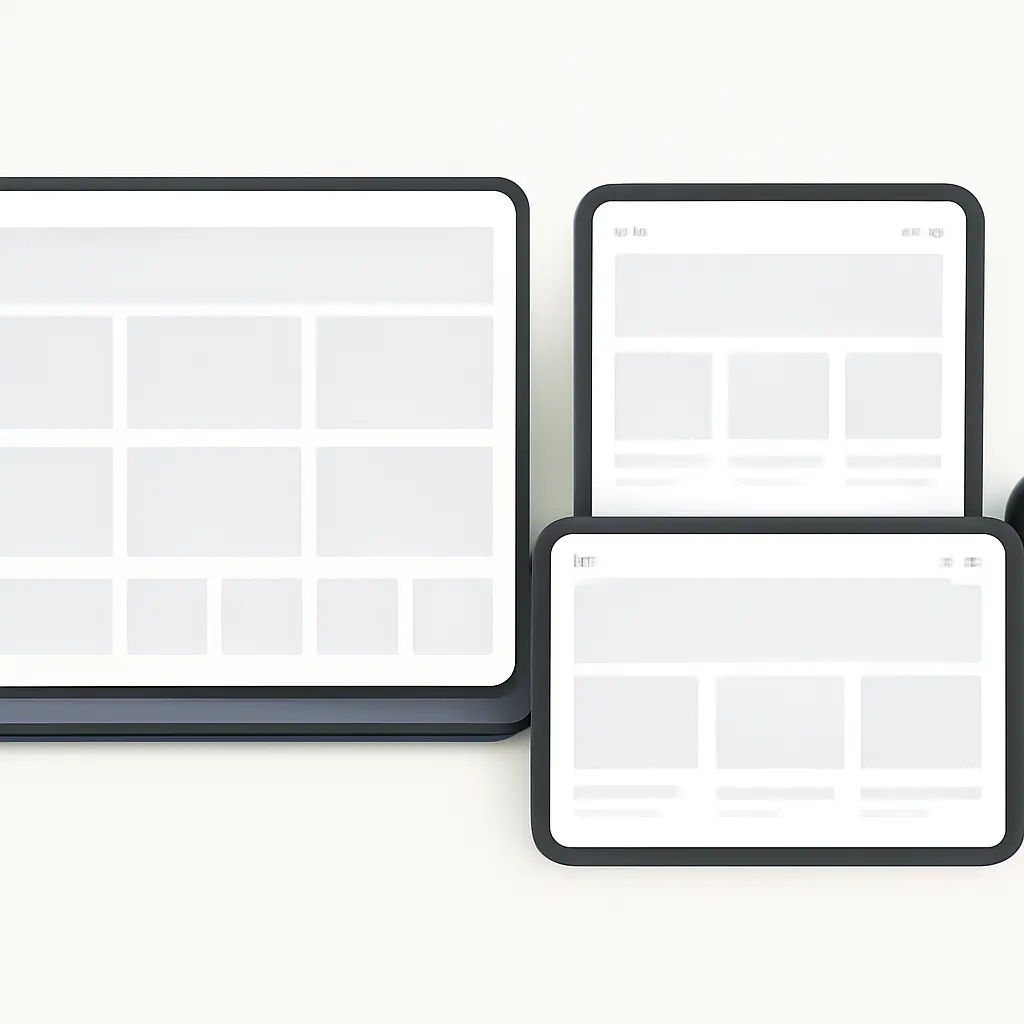
Designers in 2026 face a blend of technical constraints and high expectations: variable viewports, accessibility standards, and a demand for fast, trustable interfaces. One place this balance is critical is the world of review content — think a Casino overview rating page where clarity, trust signals, and fast scanning are everything. This article covers 7 modern layout tricks you should master today, with practical tips, quick workflows, and real examples that apply directly to high-stakes content like a Casino overview rating.
1. Master CSS Grid for expressive layouts
CSS Grid is the backbone for complex, two-dimensional layouts. For a Casino overview rating card, Grid lets you position rating chips, thumbnails, and CTAs without fragile hacks.
Use a simple grid template to keep the rating, title, and CTA aligned across breakpoints. This reduces layout shifts and improves perceived performance — both important for pages where users compare casinos quickly.
- Benefit: precise control over rows and columns
- Tip: combine Grid with auto-fit and minmax() for fluid columns
- Example: put score badges in a fixed grid area so they don’t jump when content changes
2. Use Flexbox for micro-layouts
Flexbox excels at one-dimensional alignment — perfect for rating rows, icon groups, and publisher attribution lines that appear on a Casino overview rating list. When space is tight, Flexbox lets you distribute microelements so the page stays readable.
3. Embrace Container Queries and modular components
Container Queries let elements adapt based on their container size rather than the viewport. For modular components like a Casino overview rating tile that appears in sidebars, grids, or single-column pages, container queries make styles robust and reusable.
Quick workflow:
- Create the card component with semantic HTML and minimal base styles.
- Add container query breakpoints where the component's layout should change.
- Test the component in different parent contexts (list, grid, sidebar).
4. Prioritize visual hierarchy with typographic scale
Type scale defines how users scan content. On a Casino overview rating page, clarity between the site name, score, and regulatory disclaimers is crucial. A modular scale (e.g., 1.25 ratio) helps maintain consistent relationships across headings, labels, and body text.
Want deeper type-level tips? See Typography secrets for practical rules that pair well with layout systems.
5. Design for trust: badges, microcopy, and spacing

A Casino overview rating must convey trust quickly. Use white space to separate the score from promotional elements, and keep legal microcopy readable but unobtrusive. Align badges using Grid or Flexbox so they remain visually anchored even on small screens.
Small but deliberate spacing choices reduce cognitive load and elevate perceived authority — critical for comparison pages where users decide based on trust.
6. Optimize for speed and accessibility (a11y)
Performance and accessibility (a11y) are non-negotiable. Casino overview rating pages often contain images and interactive elements; lazy-loading non-critical assets and using semantic markup helps both speed and screen-reader experience.
Checklist for rating pages:
- Descriptive alt text for slot or site thumbnails
- Keyboard focus order that follows visual order
- Visible focus states for CTAs and rating controls
7. Combine layout patterns with content strategy
Content-first layout spots where you structure the template to fit the content rather than forcing content into a rigid grid. For Casino overview rating pages, this means highlighting the score and top pros/cons first, then supporting details below.
Start with wireframes that prioritize what users need to decide — often: score, short verdict, bonus details, and verification notes. The layout should make those elements immediately scannable.
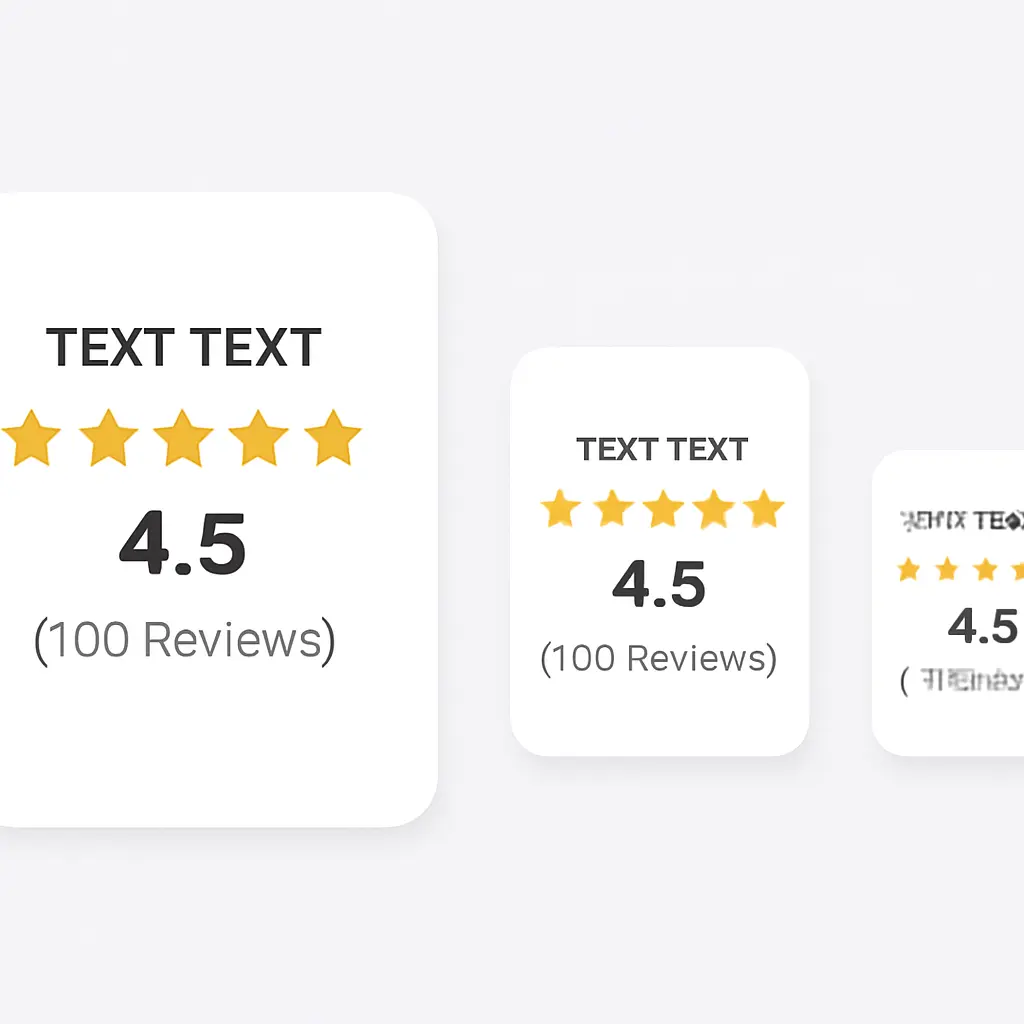
Here's a short, practical build order for a rating card component used on Casino overview rating pages:
- Create semantic HTML structure: header (site name + badge), main (score, features), footer (CTA + legal).
- Style base with Flexbox for simple rows and Grid for the main layout.
- Add container queries for component-specific changes.
- Optimize images and defer non-critical scripts.
- Test accessibility and mobile performance.
Comparing layout choices for rating components
The table below summarizes trade-offs so you can pick the right tool for a Casino overview rating component.
| Technique | Best for | Pros | Cons |
|---|---|---|---|
| CSS Grid | Complex card layouts | Precise placement, reduced hacks | Learning curve for subgrid scenarios |
| Flexbox | Inline controls, horizontal lists | Simple alignment, great for micro-layouts | Less control for two-dimensional content |
| Container Queries | Reusable components | Context-aware styling | Still maturing in some build pipelines |
Small implementation note: when building a Casino overview rating grid of many tiles, ensure server-rendered initial HTML contains the score and core metadata for SEO and perceived load speed. Lazy-load images and interactive widgets.
Tooling, patterns, and a quick resource list
Useful tools include modern bundlers, Lighthouse for performance, and design systems that codify grid and typographic scales. For layout-specific UX patterns and workflow optimizations, explore practical guides and case studies — particularly those focused on componentized layouts like rating systems. If you need more layout workflow tips, read the Layout fixes article.
Additional quick items:
- Design tokens for spacing and scale
- Automated visual tests to catch regressions
- Performance budgets for media-heavy pages like Casino overview rating lists
Final checklist before ship
Before you publish any page that features a Casino overview rating, run this short checklist:
- Responsiveness across key breakpoints
- Readable typography and contrast ratios
- Clear hierarchy that prioritizes the rating
- Accessible controls and keyboard support
- Performance pass with lazy-loading and optimized images
Conclusion — apply these tricks to earn trust and conversions
Mastering these 7 modern layout tricks — Grid, Flexbox, Container Queries, type scale, trust-focused spacing, a11y, and content-first layout — will noticeably improve how users perceive and use information-heavy pages. In contexts like a Casino overview rating, where users compare options and make quick decisions, these techniques directly impact clarity, trust, and conversion.
BridgeWork Blog aims to help you build components that are resilient and user-friendly. Revisit your rating templates with the checklist above, prototype with container queries, and use typographic rules to guide attention. The difference between a cluttered list and a trustworthy Casino overview rating often comes down to layout choices made early in the design process.



To leave a comment, please sign up or log in
Log in / Sign up